
Views: 222 Author: Lake Publish Time: 07-14-2025 Origin: Site


Content Menu
● The Swimwear Manufacturing Journey: From Concept to Closet
>> Material Development & Sourcing
>> Pattern Making and Prototyping
>> Fit and Performance Testing
>> Final Sampling and Quality Control
● The Importance of OEM Swimwear Factories
● Advanced Swimwear Manufacturing Techniques
>> Automation and Skilled Craftsmanship
● Fit and Comfort: The Hallmarks of Quality Swimwear
● FAQ
>> 1. Where is Oka Swimwear manufactured?
>> 2. What materials are used in Oka Swimwear?
>> 3. How is quality ensured during swimwear production?
>> 4. Can swimwear be custom-made through OEM services?
>> 5. Why is fit testing critical in swimwear manufacturing?
Oka Swimwear has become a sought-after name in the swimwear market, celebrated for its stylish designs and quality craftsmanship. For consumers and industry insiders alike, a common question arises: where is Oka Swimwear made? While the brand does not explicitly disclose its manufacturing locations, understanding the swimwear production process and typical manufacturing hubs sheds light on the likely origins of Oka Swimwear. This article delves deep into the swimwear manufacturing journey, the materials and techniques involved, and the global landscape of swimwear production, providing a comprehensive view of how a brand like Oka Swimwear comes to life.

Creating a premium swimsuit is a meticulous process that involves dozens of steps, skilled professionals, and a global supply chain. Much like luxury fashion items, swimwear production demands precision, innovation, and quality control at every stage.
The journey begins with a creative vision. Designers translate abstract ideas into sketches and digital renderings, balancing aesthetics with functionality. Swimwear must flatter diverse body types and perform well in water, which requires careful consideration of fit, support, and comfort.
Design teams develop mood boards, select color palettes, and create custom prints or patterns. The collection is refined through multiple reviews and iterations until a cohesive line of styles is finalized. This phase often includes 30 to 40 initial sketches, narrowing down to 8 to 12 core designs that will move forward to production.
The choice of fabric is critical. Swimwear fabrics must withstand chlorine, saltwater, sunscreen, and UV rays while maintaining stretch, shape, and color. Manufacturers conduct rigorous testing on fabric samples to assess chlorine resistance, UV protection, stretch recovery, colorfastness, opacity when wet, and durability.
High-quality elastics that resist degradation are essential for leg openings, straps, and waistbands. Many brands develop custom colors and prints, requiring multiple rounds of lab dips and strike-offs to perfect the fabric's look and feel.
Once fabrics are selected, patterns are drafted and adjusted to ensure an ideal fit. Swimwear patterns are complex, often involving multiple pieces for lining, support, and decorative elements. Prototypes are sewn and tested on fit models to evaluate comfort, movement, and performance. Adjustments are made based on feedback to optimize fit and function.
Cutting swimwear fabric requires precision and care due to its stretchiness and delicate nature. Fabrics are usually cut in single layers using rotary cutters to maintain accuracy, especially when matching prints or patterns.
Sewing is performed by skilled technicians who use specialized machines and techniques to avoid distorting the fabric. Elastic bands are carefully stretched and sewn to maintain elasticity without overstretching. Seams must be strong yet flexible, often using flatlock or overlock stitches.
Prototypes undergo real-world testing to assess how they perform during swimming and movement. This phase examines tan line placement, drying time, weight when wet, and overall comfort. Fit sessions with models provide critical insights that inform final pattern tweaks.
Before mass production, final samples are produced to set quality standards. These samples are scrutinized for stitching, measurements, color consistency, and finishing details. Quality control continues throughout production to ensure every piece meets brand specifications.
Once production is complete, swimwear is carefully packaged according to brand guidelines and shipped to retailers or customers worldwide.
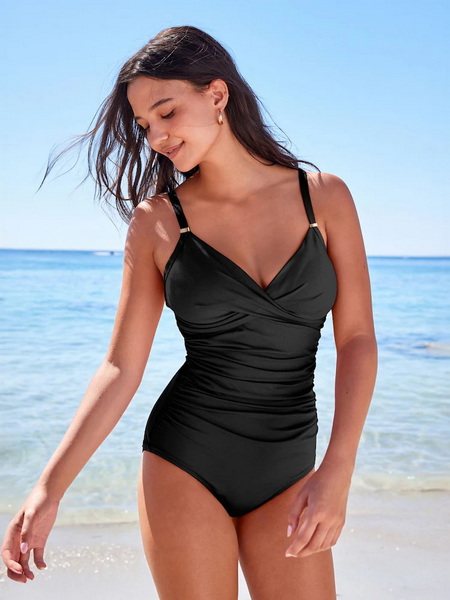
Though Oka Swimwear does not publicly reveal its exact manufacturing locations, the swimwear industry's landscape points to several likely regions:
| Region | Characteristics |
|---|---|
| China | The largest hub for swimwear OEM production, offering extensive manufacturing expertise, advanced machinery, and competitive pricing. Many global swimwear brands source from factories in Guangdong and Dongguan provinces. |
| Southeast Asia | Countries like Vietnam, Indonesia, and Thailand are growing centers for swimwear production, known for skilled labor and improving quality standards at competitive costs. |
| Europe | Italy and Portugal are known for luxury swimwear manufacturing with a focus on craftsmanship and premium textiles, often serving high-end brands. |
Given Oka Swimwear's emphasis on quality, design innovation, and durability, it is highly probable that their swimwear is produced in reputable OEM factories in China or Southeast Asia. These factories specialize in fabric sourcing, precision cutting, skilled sewing, and rigorous quality control, ensuring that each garment meets the brand's high standards.
OEM (Original Equipment Manufacturer) swimwear factories play a crucial role in bringing brands like Oka Swimwear to market. These factories offer:
- Custom design development: Collaborating with brands to turn sketches into wearable products.
- Fabric sourcing and testing: Ensuring materials meet performance and aesthetic requirements.
- Precision cutting and sewing: Handling delicate, stretchy fabrics with expert techniques.
- Fit testing and sampling: Creating prototypes and adjusting patterns for perfect fit.
- Quality control: Maintaining consistency and durability across production runs.
- Packaging and logistics: Preparing products for global distribution.
By outsourcing production to specialized OEM factories, swimwear brands can focus on design, marketing, and customer engagement while relying on manufacturing partners to deliver quality products efficiently.
Innovations in fabric technology have transformed swimwear. Modern textiles incorporate chlorine-resistant fibers, quick-drying finishes, and UV protection. Some fabrics are engineered to feel like a second skin, offering compression, shaping, and comfort simultaneously.
Increasingly, swimwear manufacturers are adopting eco-friendly materials such as recycled nylon and polyester. Sustainable dyeing processes and waste reduction techniques are becoming industry standards, aligning with consumer demand for environmentally responsible products.
While some cutting and sewing processes are automated, much of swimwear production still relies on skilled hands. The delicate nature of swim fabrics and the need for precise elastic application require experienced technicians to ensure quality and durability.
A swimsuit's success depends heavily on fit and comfort. Brands like Oka Swimwear invest significant effort in fit testing, using models of various body types to ensure their designs flatter and support a wide range of customers. Features such as adjustable straps, removable cups, and strategic seam placement enhance both aesthetics and functionality.
Oka Swimwear's production is most likely rooted in the sophisticated swimwear manufacturing ecosystems of China or Southeast Asia, where OEM factories specialize in fabric innovation, precise cutting, skilled sewing, and stringent quality control. The journey from initial design to finished product involves hundreds of meticulous steps, ensuring that each swimsuit combines style, comfort, and durability. Understanding these processes highlights the craftsmanship behind Oka Swimwear and the expertise required to deliver premium swimwear to consumers worldwide.
Oka Swimwear is most likely produced in specialized OEM factories located in China or Southeast Asia, regions known for their expertise in high-quality swimwear manufacturing.
Oka Swimwear uses chlorine-resistant, UV-protective, and stretchable fabrics, often custom-developed to ensure durability, comfort, and vibrant colors.
Quality is maintained through rigorous fabric testing, prototype fit sessions, multiple sampling rounds, skilled sewing, and ongoing quality control throughout production.
Yes, OEM swimwear factories offer full customization, including design development, fabric sourcing, pattern making, sampling, and packaging tailored to brand specifications.
Fit testing ensures that swimwear moves naturally with the body, provides adequate support, and performs well in water, which is essential for customer satisfaction and repeat business.


