
Views: 222 Author: Loretta Publish Time: 06-30-2025 Origin: Site


Content Menu
● Understanding Chlorine Resistance in Swimwear
● Why Chlorine Damages Swimwear
● Key Materials for Chlorine Resistant Swimwear
>> Polyester
>> PBT (Polybutylene Terephthalate)
● Advanced Fabric Technologies
● Top Chlorine Resistant Swimwear Brands
>> Speedo
>> TYR
>> Arena
>> Dolfin
>> Zoggs
>> Jolyn
● Design Features of Chlorine Resistant Swimwear
● How to Choose the Best Chlorine Resistant Swimwear
● Care Tips for Chlorine Resistant Swimwear
● Chlorine Resistant Swimwear for Different Needs
>> For Plus Size and Modest Swimwear
● Innovations and Trends in Chlorine Resistant Swimwear
● FAQ
>> 1. What materials are best for chlorine resistant swimwear?
>> 2. How long does chlorine resistant swimwear last?
>> 3. Can I use regular detergent to wash my swimwear?
>> 4. Are there stylish options for chlorine resistant swimwear?
>> 5. What's the difference between chlorine resistant and regular swimwear?
Swimming is not only a popular sport but also a favorite leisure activity for millions around the world. Whether you're a competitive swimmer, a fitness enthusiast, or simply enjoy relaxing at the pool, you know that swimwear is an essential part of the experience. However, frequent exposure to chlorinated water can wreak havoc on traditional swimsuits, causing them to fade, lose their shape, and deteriorate far too quickly. This is where chlorine resistant swimwear comes into play. In this comprehensive guide, we'll explore what makes swimwear truly chlorine resistant, the best materials and design features, how to choose the right suit, and how to care for it so it lasts. We'll also look at the top brands, innovations in the industry, and answer the most common questions to help you make the best choice for your swimming needs.

Chlorine is a powerful chemical used in pools to kill bacteria and keep the water safe. Unfortunately, it is also harsh on fabrics, especially those commonly used in swimwear like nylon and spandex. Over time, chlorine breaks down the fibers, leading to faded colors, sagging, and thinning material. Chlorine resistant swimwear is specially engineered to withstand these harsh conditions, maintaining its color, elasticity, and fit much longer than traditional swimsuits.
Chlorine resistant swimwear is not just for competitive swimmers or those who spend hours in the pool every week. Anyone who swims regularly—whether for fitness, fun, or therapy—can benefit from investing in a suit designed to last.
To understand why chlorine resistant swimwear is so important, it helps to know how chlorine affects fabrics. Chlorine is an oxidizing agent, which means it reacts with the molecules in fabric, especially the elastic fibers that give swimwear its stretch and snug fit. Here's what usually happens:
- Color Fading: Chlorine attacks the dyes in fabric, causing even the brightest colors to become dull and washed out over time.
- Loss of Elasticity: The elastic fibers (often spandex or Lycra) are particularly vulnerable. Chlorine causes them to break down, resulting in sagging and a poor fit.
- Fabric Weakening: As chlorine continues to degrade the fibers, the fabric becomes thin, brittle, and prone to tearing.
This is why traditional swimsuits often lose their shape and vibrancy after just a few months of regular pool use.
The secret to chlorine resistant swimwear lies in the choice of fabric. Not all materials are created equal when it comes to standing up to pool chemicals. Here's a breakdown of the most common materials:
Polyester is the gold standard for chlorine resistance. It is highly durable, colorfast, and maintains its shape even after repeated exposure to chlorine. Polyester fibers are less porous than nylon, making it harder for chlorine to penetrate and cause damage.
PBT is a type of polyester that is even more resistant to chlorine and heat. It's often blended with regular polyester to create swimwear that is lightweight, quick-drying, and exceptionally durable. PBT also offers a slightly textured feel and excellent stretch retention.
While nylon and spandex (also known as Lycra or elastane) are popular in fashion swimwear due to their softness and stretch, they are not chlorine resistant. These fabrics degrade quickly in chlorinated water, leading to sagging and fading.
Some swimwear blends polyester with a small percentage of spandex to provide added stretch without sacrificing too much durability. These blends are a good compromise for those who want both comfort and longevity.
In recent years, swimwear manufacturers have developed advanced fabric technologies to further enhance chlorine resistance. Some of these innovations include:
- Specialized Coatings: Some fabrics are treated with coatings that repel chlorine and protect the fibers.
- UV Protection: Many chlorine resistant suits also offer UPF sun protection, making them ideal for outdoor pools and beach use.
- Eco-Friendly Materials: Some brands use recycled polyester or other sustainable materials, combining chlorine resistance with environmental responsibility.

Several brands have built their reputations on producing high-quality, chlorine resistant swimwear. Here are some of the most trusted names in the industry:
Speedo is synonymous with performance swimwear. Their Endurance+ line is particularly well-known for its chlorine resistance, using a blend of polyester and PBT to create suits that last up to 20 times longer than traditional swimwear.
TYR offers a range of chlorine resistant suits, including their Durafast and Durafast Elite lines. These suits are popular among competitive swimmers and fitness enthusiasts alike for their durability and comfort.
Arena is another favorite among competitive swimmers. Their MaxLife fabric is designed for maximum chlorine resistance, providing both comfort and a long-lasting fit.
Dolfin's Aquatard and other polyester-based suits are known for their durability and affordability, making them a great choice for teams and frequent swimmers.
These Australian brands are beloved for their bold prints and tough polyester fabrics, offering both style and substance in chlorine resistant swimwear.
Zoggs combines innovative fabric technology with stylish designs, making their suits a popular choice for both recreational and competitive swimmers.
Jolyn is a favorite among water polo players and lifeguards for their blend of durability, comfort, and trendy designs.
For those who want fashion-forward swimwear that can handle the pool, Roxy and Seafolly offer stylish options made with chlorine resistant materials.
The best chlorine resistant swimwear isn't just about the fabric. Thoughtful design features can make a big difference in comfort, fit, and longevity:
- Tight Weave Construction: A denser weave helps protect the fibers from chlorine penetration.
- Double Lining: Adds comfort and extra protection, especially in lighter colors or thinner fabrics.
- Shape Retention Technology: Ensures the suit maintains its fit and doesn't sag over time.
- Reinforced Seams: Prevents stretching and tearing at stress points.
- Supportive Straps and Panels: Features like racerbacks, X-backs, and tummy control panels provide extra support for active swimmers.
- Quick-Drying Properties: Advanced fabrics dry faster, reducing the risk of mildew and odor.
Selecting the right chlorine resistant swimwear involves considering your swimming habits, body type, and personal preferences. Here are some tips to help you make the best choice:
- Frequency of Use: If you swim daily or several times a week, opt for 100% polyester or polyester/PBT blends for maximum durability.
- Type of Activity: Competitive swimmers may prefer streamlined, performance-oriented designs, while those doing water aerobics or recreational swimming might want more coverage and support.
- Fit and Comfort: Look for ergonomic designs and four-way stretch fabrics that move with your body.
- Style Preferences: Chlorine resistant swimwear is available in a wide range of styles, from sporty one-pieces to fashionable bikinis and tankinis.
- Size Range: Many brands offer extended sizes, including plus, tall, and petite options.
- Eco-Friendly Choices: If sustainability is important to you, look for suits made from recycled polyester or other environmentally friendly materials.
Even the most durable swimwear needs proper care to last. Follow these tips to keep your suits looking and performing their best:
- Rinse Immediately: After each swim, rinse your suit in cool, fresh water to remove chlorine and other chemicals.
- Hand Wash: Gently wash your swimwear with mild soap. Avoid using harsh detergents, bleach, or fabric softeners, as these can damage the fibers.
- Air Dry: Lay your suit flat to dry in the shade. Avoid wringing it out or using a dryer, as heat can weaken the fabric.
- Rotate Suits: If you swim frequently, alternate between two or more suits to give each one time to recover its shape.
- Store Properly: Keep your swimwear flat or hanging in a cool, dry place away from direct sunlight.
Proper care will help extend the life of your chlorine resistant swimwear, keeping it vibrant and well-fitting for many seasons.
Chlorine resistant swimwear isn't just for elite athletes. There are options for every swimmer and every need:
Performance suits made from polyester/PBT blends offer a streamlined fit and minimal drag, perfect for racing and intensive training.
Supportive, comfortable styles with features like tummy control panels and adjustable straps are ideal for water aerobics, lap swimming, and aqua fitness.
Trendy designs, versatile cuts, and a wide range of colors and prints make it easy to find a suit that's both stylish and durable.
Fun prints, sturdy construction, and comfortable fits ensure that young swimmers can enjoy the pool without constantly replacing their suits.
Many brands now offer extended sizing, tankinis, swim dresses, and swim shorts, ensuring that everyone can find a chlorine resistant suit that fits their needs and style.
The swimwear industry continues to evolve, with exciting innovations aimed at improving both performance and sustainability. Some of the latest trends include:
- Eco-Conscious Fabrics: More brands are using recycled materials, such as regenerated polyester from plastic bottles, to create chlorine resistant swimwear that's better for the planet.
- Seamless Construction: Advances in manufacturing allow for seamless or bonded seams, reducing chafing and increasing comfort.
- Smart Fabrics: Some new swimwear incorporates antimicrobial properties to help prevent odor and bacteria buildup.
- Custom Fit Technology: Adjustable straps, removable cups, and multi-way designs allow swimmers to personalize their fit for maximum comfort and support.
- Bold Prints and Colors: Modern chlorine resistant swimwear is available in a dazzling array of prints, patterns, and colors, proving that durability doesn't have to come at the expense of style.
Chlorine resistant swimwear is an essential investment for anyone who spends time in chlorinated pools. The best options are crafted from polyester, PBT, or high-quality blends that resist fading, sagging, and deterioration. Leading brands like Speedo, TYR, Arena, and Zoggs offer a wide range of styles and fits to suit every swimmer's needs. By choosing the right fabric and design, and following proper care tips, you can enjoy vibrant, long-lasting swimwear that stands up to the rigors of pool life. Whether you're a competitive athlete, a fitness enthusiast, or a casual swimmer, there's a chlorine resistant suit out there that will keep you looking and feeling your best in the water.
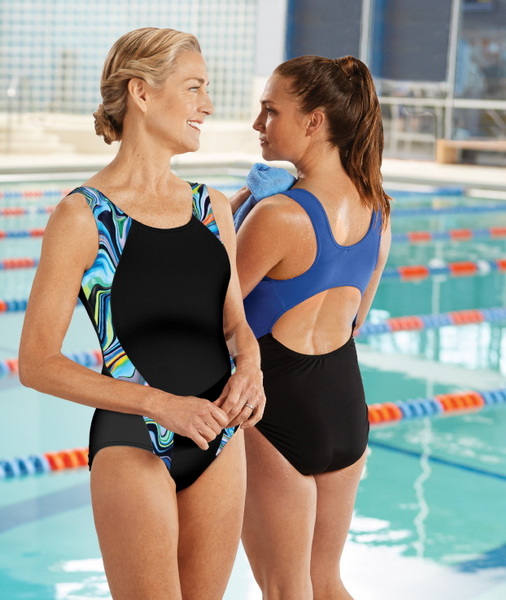
Polyester and PBT (polybutylene terephthalate) are the top choices for chlorine resistance. These fabrics maintain color, shape, and elasticity much longer than traditional nylon or spandex. Blends with a small percentage of spandex can add stretch without sacrificing too much durability.
With proper care, chlorine resistant swimwear can last up to three to five times longer than regular swimwear. The actual lifespan depends on frequency of use, care routine, and fabric quality.
No, it's best to use mild soap or a detergent specifically designed for swimwear. Harsh detergents can break down fibers and reduce chlorine resistance over time.
Absolutely. Many brands now offer fashionable designs, including bikinis, tankinis, swim dresses, and vibrant prints, all made with chlorine resistant fabrics.
Chlorine resistant swimwear is made from fabrics that withstand the damaging effects of chlorine, maintaining color, fit, and durability far longer than regular nylon/spandex suits, which often fade and lose shape quickly.


