
Views: 222 Author: Loretta Publish Time: 06-30-2025 Origin: Site


Content Menu
● Introduction to Swimwear Elastic
● The Role of Elastic in Swimwear
● Key Properties of High-Quality Swimwear Elastic
● How to Choose the Best Elastic for Swimwear
● Advanced Features of Modern Swimwear Elastic
● Sewing Techniques and Tools for Swimwear Elastic
● Common Problems and Solutions
>> Rolling or Twisting Elastic
● Innovations in Swimwear Elastic Manufacturing
● Applications Beyond Swimwear
● FAQ
>> 1. What makes swimwear elastic different from regular elastic?
>> 2. How do I know if my swimwear elastic is high quality?
>> 3. Can I use regular elastic for swimwear?
>> 4. What is the best way to sew elastic into swimwear?
>> 5. How can I prevent my swimwear from losing elasticity?
Swimwear elastic is the essential component that gives every swimsuit its fit, flexibility, and resilience. It is the hidden force that ensures swimwear hugs the body, supports movement, and withstands the challenging conditions of water, sun, and frequent use. Whether you are a swimwear brand, wholesaler, manufacturer, or simply a swimwear enthusiast, understanding the unique properties of swimwear elastic is crucial for producing or choosing high-performance, durable swimwear.

Swimwear elastic is a specially engineered material designed to meet the unique demands of aquatic environments. Unlike ordinary elastic used in everyday clothing, swimwear elastic must endure exposure to chlorine, saltwater, and ultraviolet rays, all while maintaining its stretch and recovery. This elasticity is what allows swimwear to fit snugly, move with the body, and retain its shape even after countless hours in the water.
Elastic plays a pivotal role in the construction and performance of swimwear. Its main functions include:
- Providing a Secure Fit: Elastic ensures that swimwear stays in place during swimming, diving, or sunbathing, preventing embarrassing slips and maintaining modesty.
- Maintaining Shape: It helps the garment retain its original silhouette, preventing sagging or bagging after repeated use.
- Enhancing Comfort: Properly selected and sewn elastic prevents chafing, rolling, or digging into the skin, ensuring maximum comfort.
- Supporting Movement: The stretch and recovery of elastic allow for unrestricted movement, which is vital for both casual wearers and competitive swimmers.
Not all elastics are suitable for swimwear. The most common types used in swimwear manufacturing include:
- Rubber Elastic: Known for its excellent stretch and recovery, rubber elastic is highly resistant to chlorine, salt, and UV rays. It is ideal for swimwear that requires durability and long-lasting elasticity.
- Spandex (Lycra/Elastane): This synthetic fiber offers superior stretch—up to five times its original length—and quickly returns to its original shape. It is lightweight, quick-drying, and provides a smooth, comfortable fit, making it a favorite for high-performance and fashion swimwear.
- Polyester Elastic: Polyester-based elastic is strong, durable, and colorfast. It offers good resistance to chlorine and saltwater, making it suitable for swimwear used in pools or oceans.
- Braided Elastic: This type of elastic is firm, comfortable, and does not roll or ride up easily. It is often used in waistbands and leg openings for a secure fit.
- Cotton/Neoprene Elastic: Latex-free options like cotton or neoprene elastic are soft and hypoallergenic, making them ideal for sensitive skin or those with latex allergies.
High-quality swimwear elastic must possess several critical properties to ensure optimal performance and longevity:
- Stretch and Recovery: The elastic should stretch easily and return to its original length without losing elasticity, even after repeated stretching.
- Chlorine and Saltwater Resistance: Essential for swimwear used in pools or oceans, this resistance prevents premature degradation and maintains performance.
- UV Resistance: Exposure to sunlight can weaken and fade elastic fibers. UV-resistant elastic maintains its strength and color over time.
- Durability: High-quality elastic should withstand frequent use and washing without breaking down or losing its shape.
- Comfort: The elastic must be soft against the skin, avoiding irritation or chafing, especially in areas with direct skin contact.

Selecting the right elastic is crucial for both manufacturers and DIY swimwear makers. Consider the following factors:
- Material: Rubber and spandex/elastane are generally preferred for their superior stretch and resistance properties.
- Width: Standard widths for swimwear elastic range from 3/8 inch (10mm) to 1/2 inch (12mm), but this can vary based on design and application.
- Strength: The elastic should provide enough tension to hold the garment in place without being too tight or uncomfortable.
- Application Area: Different parts of a swimsuit, such as waistbands, leg openings, and armholes, may require different elastic widths and tensions.
- Intended Use: Competitive swimwear may require stronger, more durable elastic, while casual beachwear may prioritize comfort and softness.
Modern swimwear elastic has evolved to include innovative features that enhance performance and comfort:
- Antimicrobial Treatment: Some elastics are treated with antimicrobial agents to prevent the growth of bacteria and odors, maintaining freshness even after prolonged use.
- Eco-Friendly Materials: With sustainability in mind, some manufacturers now offer elastics made from recycled or biodegradable materials, reducing environmental impact.
- Custom Colors and Finishes: Swimwear elastic is available in a variety of colors and finishes, allowing for seamless integration with different fabric designs and styles.
Proper attachment of elastic is essential for durability and comfort in swimwear. Here are some expert techniques:
- Marking and Measuring: Divide both the elastic and the fabric into quarters. This ensures even distribution and prevents uneven gathering.
- Stretch While Sewing: Slightly stretch the elastic as you sew it onto the fabric, using a zigzag or three-step zigzag stitch. This provides flexibility and prevents the stitches from breaking when the fabric is stretched.
- Tension Control: Adjust the tension based on the area. For example, leg openings often require 15-20% less elastic than the opening length, waistbands 10-15% less, and arms/necklines 5-10% less.
- Invisible Finish: Sew the elastic so it is hidden within the fabric casing, creating a clean, professional appearance on the outside of the garment.
- Specialty Tools: An elastic foot attachment for your sewing machine can make the process easier and more precise. Ballpoint needles are recommended for sewing stretch fabrics to prevent skipped stitches.
Proper care is essential to extend the life of both the elastic and the swimwear:
- Rinse After Use: Always rinse swimwear in cool, fresh water after swimming to remove chlorine, salt, sunscreen, and other residues.
- Gentle Washing: Hand wash with a mild detergent, avoiding harsh chemicals or bleach. Do not wring or twist the fabric, as this can damage the elastic fibers.
- Air Dry: Lay swimwear flat to dry in the shade. Avoid direct sunlight and never use a dryer, as excessive heat can degrade the elastic.
- Proper Storage: Store swimwear flat and away from heat sources to prevent stretching or weakening of the elastic.
Prolonged exposure to chlorine, saltwater, and UV rays can cause the elastic to lose its stretch and become brittle. To prevent this, always use high-quality, resistant elastic and follow proper care instructions.
Incorrect stitching placement or tension can cause elastic to roll or twist inside the fabric casing. Keep the first stitching line close to the elastic's edge and test tension on fabric scraps before sewing the final garment.
Excessive elastic tension can cause the fabric to pucker. Reduce tension and evenly distribute the elastic during sewing for a smooth finish.
Some individuals may be sensitive to latex or certain chemicals used in elastic. Opt for latex-free or hypoallergenic elastic options for sensitive skin.
The swimwear industry is constantly evolving, and so is the technology behind swimwear elastic. Some of the latest innovations include:
- Laser-Cut Elastic: This technique allows for precise, seamless edges that reduce bulk and enhance comfort.
- Bonded Elastic: Instead of traditional stitching, bonded elastic is fused to the fabric using heat or adhesives, creating a smoother finish and reducing the risk of chafing.
- Digital Printing on Elastic: Custom designs and logos can now be printed directly onto elastic, offering new possibilities for branding and style.
While swimwear elastic is specifically designed for aquatic garments, its unique properties make it suitable for other applications as well:
- Activewear: Sports bras, leggings, and compression gear benefit from the stretch and recovery of swimwear elastic.
- Undergarments: High-quality elastic ensures a comfortable, secure fit in bras, panties, and shapewear.
- Medical Devices: The durability and hypoallergenic options of swimwear elastic make it ideal for certain medical supports and braces.
Swimwear elastic is the unsung hero behind every comfortable, secure, and stylish swimsuit. Its unique blend of stretch, recovery, resistance to water and UV exposure, and overall durability makes it indispensable for swimwear construction. By understanding the different types of elastic, how to choose and sew them correctly, and how to care for them, both manufacturers and consumers can ensure swimwear that looks great, fits perfectly, and lasts season after season. As swimwear trends and technologies continue to evolve, so too will the innovations in swimwear elastic, offering even greater performance, sustainability, and style.
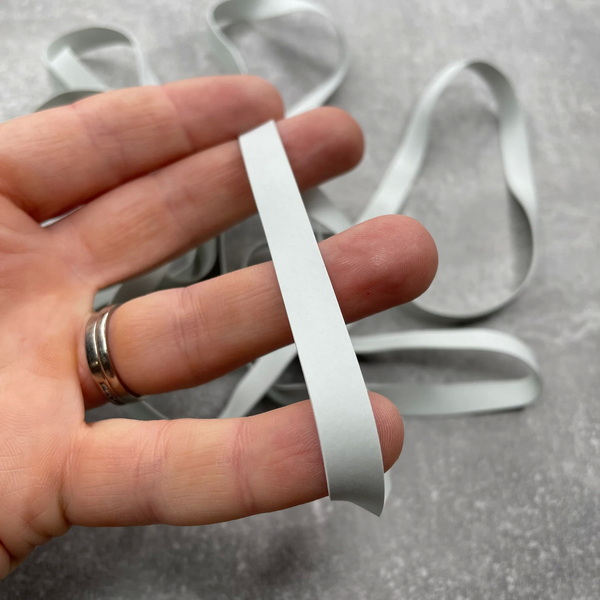
Swimwear elastic is engineered to withstand harsh conditions like chlorine, saltwater, and UV exposure. It maintains its stretch and recovery much longer than regular elastic, making it ideal for swimwear.
High-quality swimwear elastic will feel resilient, stretch easily, and snap back to its original length without losing shape. It should also resist fading, sagging, or becoming brittle after repeated exposure to water and sun.
It is not recommended. Regular elastic lacks the resistance and durability required for swimwear and will degrade quickly, leading to loss of fit and comfort.
Use a zigzag or three-step zigzag stitch, stretch the elastic slightly as you sew, and ensure even distribution by marking both the elastic and fabric in quarters. An elastic foot can make the process easier and more precise.
Always rinse swimwear after use, avoid wringing or twisting, air dry in the shade, and store flat. Using high-quality, chlorine- and UV-resistant elastic is essential for longevity.


