
Views: 222 Author: Loretta Publish Time: 06-26-2025 Origin: Site


Content Menu
● Benefits of Wearing a Rash Guard
>> 1. Protection from Rashes and Abrasions
>> 3. Comfort and Ease of Movement
>> 5. Protection from Marine Hazards
>> Performance Fit Rash Guards
>> Loose Fit Rash Guards (Swim Shirts)
>> Sleeve Length Considerations
● How to Choose the Right Rash Guard
>> Look for Quality Construction
>> Select the Right Fabric Blend
● FAQ
>> 1. What is the difference between a rash guard and a swim shirt?
>> 2. Can rash guards be worn for swimming?
>> 3. Do rash guards keep you warm?
>> 4. How does a rash guard protect against the sun?
>> 5. How should a rash guard fit?
In the world of swimwear and water sports, the term "rash guard" has become increasingly common. But what exactly does it mean, and why has it gained such popularity among surfers, swimmers, and beachgoers? This comprehensive article explores the meaning of rash guards in swimwear, their history, materials, benefits, and how to choose the right one for your needs. Whether you are a casual swimmer or a professional athlete, understanding rash guards can enhance your water experience by offering protection, comfort, and style.

A rash guard, sometimes called a rash vest, rashie, or swim shirt, is a type of athletic shirt made primarily from synthetic materials such as spandex, nylon, or polyester. It is designed to be worn in and around water, either alone or over a swimsuit, to protect the skin from rashes caused by abrasion, sunburn from prolonged sun exposure, and even stings from marine creatures like jellyfish.
Originally developed for surfers, rash guards provide a lightweight, quick-drying, and flexible layer that guards the skin against irritation from surfboards, sand, and harsh sun rays. They come in various styles, including long-sleeve, short-sleeve, and sleeveless options, catering to different preferences and activities.
Rash guards originated in Australia in the late 1970s, created by surfers who needed protection from the waxy, sandy surfaces of their boards and the intense sun exposure during long hours in the water. The initial designs were simple and focused on preventing rashes caused by friction and abrasion. Over time, technological advancements in fabric have transformed rash guards into high-performance swimwear that offers UV protection, quick drying, and durability.
Rash guards are typically made from a blend of synthetic fibers such as nylon or polyester combined with elastane (spandex). This poly-elastane blend provides stretch, durability, and quick-drying properties. Many rash guards also feature chlorine-resistant materials, making them suitable for pool use.
- Flatlock Stitching: This technique creates seams that lie flat against the skin, reducing chafing and increasing comfort during movement.
- Multi-panel Construction: Different fabric panels are sewn together to enhance mobility and fit, allowing the rash guard to move with the body without restriction.
- UPF Rating: Rash guards often come with a UPF (Ultraviolet Protection Factor) rating, commonly 50+, which blocks about 98% of harmful UV rays.
The primary function of a rash guard is to protect the skin from rashes caused by friction with surfboards, sand, or other rough surfaces. This is especially important for surfers and swimmers who spend extended periods in the water. The snug fit prevents the skin from rubbing directly against rough surfaces, reducing irritation and discomfort.
Rash guards provide significant protection against harmful UVA and UVB rays. A UPF 50+ rash guard blocks nearly all damaging rays, reducing the risk of sunburn, premature skin aging, and skin cancer. This makes rash guards an essential piece of swimwear for anyone spending long hours outdoors, especially in tropical or high-altitude locations where UV exposure is stronger.
Thanks to their snug yet flexible fit, rash guards allow for a full range of motion in the water without the bulk or drag of traditional cotton shirts. They are lightweight, quick-drying, and designed to prevent chafing, making them comfortable for swimming, surfing, and other water sports. The elasticity of the fabric also means the rash guard moves with the body, avoiding restrictions during active movements.
While not as insulating as wetsuits, rash guards can provide an extra layer of warmth in cooler water, especially when worn under wetsuits. They dry quickly, helping swimmers warm up faster after exiting the water. For those who swim in temperate climates or during transitional seasons, a rash guard can extend the swimming season by adding mild thermal protection.
Rash guards also offer a barrier against minor stings from jellyfish, fire coral, and other marine irritants, making them a practical choice for snorkeling, diving, and beach activities. This protective layer can prevent painful skin reactions and allow swimmers to enjoy marine environments with greater peace of mind.
For women and men who prefer more coverage, rash guards provide a modest and stylish alternative to traditional swimwear. They cover the torso, arms, and sometimes the neck, offering confidence and comfort. Rash guards come in a wide range of colors, patterns, and designs, allowing wearers to express their personal style while staying protected.
Type | Description | Best For |
Performance Fit | Tight-fitting, like a second skin, designed for active water sports requiring freedom of movement | Surfing, competitive swimming, diving |
Loose Fit (Swim Shirt) | Looser, t-shirt style rash guards with similar protection but more casual and comfortable fit | Casual beachwear, boating, poolside |
Long Sleeve | Offers maximum coverage for sun protection and abrasion resistance | Extended sun exposure, surfing |
Short Sleeve | Provides sun protection with more breathability | Warm weather, casual swimming |
High Neck | Covers neck and upper chest for added sun protection | Snorkeling, diving, beach volleyball |
Performance fit rash guards are designed to fit tightly against the skin, minimizing drag in the water and offering maximum protection. They are ideal for surfers, competitive swimmers, and divers who require unrestricted movement and durable protection. These rash guards often feature advanced fabric technology such as moisture-wicking and anti-microbial treatments to keep the wearer dry and odor-free.
Loose fit rash guards, also known as swim shirts, offer a more relaxed fit similar to a t-shirt. They are popular for casual beachgoers, boaters, and those who want sun protection without a restrictive fit. While they provide excellent UV protection, their looser fit may create some drag in the water, making them less suitable for competitive swimming or surfing.
Long sleeve rash guards provide the most extensive coverage, protecting arms and shoulders from sunburn and abrasions. They are especially useful for surfers and snorkelers who spend hours in the water. Short sleeve rash guards offer a balance between coverage and breathability, suitable for warmer climates or less intense activities.
High neck rash guards extend coverage to the neck and upper chest, areas often exposed to intense sun. This style is favored by snorkelers, divers, and beach volleyball players who need extra protection in these vulnerable areas.
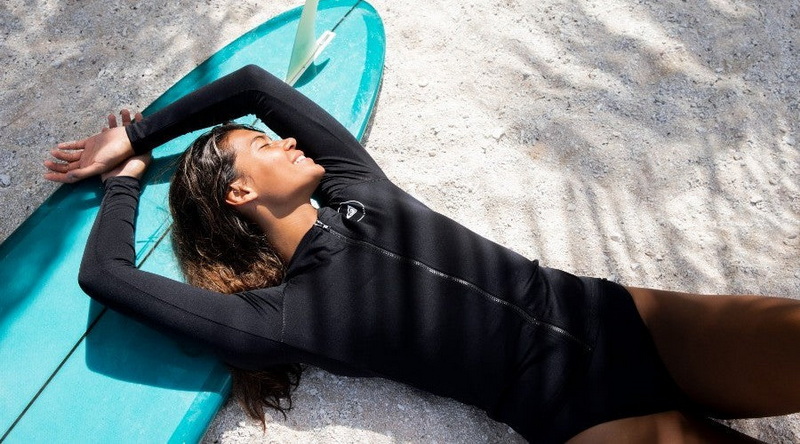
Choosing the right rash guard starts with understanding the activity you will be doing. For high-intensity water sports like surfing or competitive swimming, a performance-fit rash guard with a snug fit and advanced fabric technology is ideal. For casual swimming, beach lounging, or boating, a loose fit swim shirt might be more comfortable and practical.
Sun protection is one of the most important functions of a rash guard. Look for a UPF rating of 50+ to ensure maximum protection against harmful ultraviolet rays. Many rash guards now come with built-in UPF protection, which is a critical feature for anyone spending extended time outdoors.
Flatlock stitching is a hallmark of quality rash guards, as it reduces seam irritation and increases durability. Multi-panel construction enhances fit and flexibility, allowing the rash guard to move naturally with your body. Chlorine resistance is another important factor if you plan to use your rash guard frequently in pools, as chlorine can degrade fabric over time.
The fabric blend affects the rash guard's stretch, durability, and drying time. A poly-elastane blend is common, offering excellent elasticity and quick drying. Some brands also incorporate recycled polyester, which adds sustainability to the garment's benefits.
Ensure the rash guard fits snugly without restricting movement. Too loose a fit can cause chafing and drag, while too tight can be uncomfortable. Consider sleeve length and neck coverage based on your sun exposure and personal comfort preferences.
Proper care extends the life and performance of your rash guard. After each use, rinse it thoroughly with fresh water to remove salt, sand, and chlorine. Wash with gentle detergents designed for swimwear, avoiding bleach and fabric softeners that can damage the fabric. Dry your rash guard in the shade to prevent fading and degradation from direct sunlight. Store it flat or folded to maintain its shape and elasticity.
- Surfing and Bodyboarding: Protects skin from board abrasion and sun exposure.
- Swimming and Pool Activities: Provides sun protection and reduces chlorine damage.
- Snorkeling and Diving: Guards against jellyfish stings and coral scratches.
- Paddleboarding and Kayaking: Offers UV protection and comfort during long paddling sessions.
- Beach Volleyball and Other Beach Sports: Prevents sunburn and skin irritation.
- Casual Sun Protection: Ideal for beachgoers who want coverage without heavy swimwear.
A rash guard is a versatile and essential piece of swimwear that offers protection, comfort, and style for water enthusiasts. Originally designed for surfers to prevent rashes and abrasions, rash guards have evolved into high-performance garments that shield against UV rays, marine hazards, and skin irritation. Whether you are engaging in intense water sports or enjoying a casual day at the beach, a rash guard can enhance your experience by providing an extra layer of defense and comfort. Choosing the right rash guard involves considering your activity, fit preferences, and desired level of sun protection. Proper care will ensure your rash guard remains durable and effective for many seasons.

A rash guard is typically tight-fitting and designed for active water sports, offering maximum protection and flexibility. A swim shirt is looser, more casual, and better suited for wearing on land or light water activities.
Yes, rash guards are suitable for swimming and provide benefits such as sun protection, reduced chafing, and comfort. Many are made with chlorine-resistant materials for pool use.
Rash guards provide some warmth in cooler water but are not designed to replace wetsuits. They can be layered under wetsuits for added insulation.
Rash guards have a UPF rating that measures their ability to block harmful UV rays. A UPF 50+ rash guard blocks about 98% of UV radiation, reducing sunburn risk.
A rash guard should fit snugly like a second skin to prevent chafing and allow freedom of movement. Loose fits are available but may create drag in the water.


