
Views: 222 Author: Loretta Publish Time: 06-25-2025 Origin: Site


Content Menu
● Understanding Swimwear Sizing
>> Why Swimwear Fits Differently
● How to Measure Yourself for Swimwear
>> Tips for Accurate Measurement
● Should You Size Up in Swimwear?
>> When to Stick to Your Usual Size or Size Down
>> Special Considerations for Different Swimwear Types
● Tips for Finding the Perfect Swimwear Fit
>> 2. Consider Cup Sizes for Tops
>> 5. Alterations Are Possible
>> 6. Try On Swimwear Before Buying
>> 7. Consider Your Intended Use
● Common Swimwear Styles and Fit Considerations
● How Fabric Types Affect Sizing
● Caring for Your Swimwear to Maintain Fit
● FAQ
>> 1. How tight should swimwear fit when dry?
>> 2. Can I wear a different size top and bottom in a bikini?
>> 3. Should I size up if I have a longer torso?
>> 4. How do I know if I need a cup-sized swimsuit?
>> 5. Is it better to size down if I want a slimming effect?
Choosing the right size in swimwear can be a tricky task, especially when shopping for bikinis, one-pieces, or tankinis. The question "Should you go up a size in swimwear?" is common among shoppers seeking comfort, style, and confidence. This comprehensive guide will walk you through everything you need to know about swimwear sizing, including how to measure yourself, when to size up, and tips to ensure the perfect fit for your body type.

Swimwear sizing is different from regular clothing sizing because swimsuits need to fit snugly to stay in place during swimming or beach activities. Unlike everyday clothes, swimwear fabric stretches when wet, so a tight fit on dry land is often necessary to avoid looseness in the water.
- Compression and Stretch: Swimwear is designed with compression fabrics that hug your body tightly to provide support and prevent shifting.
- Water Effects: When wet, swimwear fabric stretches, so a suit that feels tight on land will loosen slightly in water.
- Body Movement: Swimwear must allow freedom of movement while maintaining coverage and support.
Swimwear fabric is often made from blends of nylon, spandex, or polyester, which provide elasticity and durability. This elasticity means that sizing can be less straightforward than with regular clothing. The stretch allows for a close fit, but it also means that the suit will adapt to your body shape over time.
Before deciding whether to size up, it's crucial to know your exact body measurements. Here's how to measure yourself accurately:
- Bust: Measure around the fullest part of your bust, keeping the tape parallel to the floor.
- Underbust: Measure just below your bust to understand band size.
- Waist: Measure around the narrowest part of your torso, typically just above the belly button.
- Hips: Measure around the fullest part of your hips.
- Torso Length: For one-piece swimsuits, measure from the top of your shoulder, down through your legs, and back up to the shoulder.
Use a soft measuring tape and stand straight but relaxed. Record these numbers to compare with size charts from swimwear brands.
- Measure yourself wearing a thin, form-fitting garment or no clothing to avoid adding bulk.
- Take measurements in front of a mirror to ensure the tape is level.
- If possible, ask someone to help you measure for better accuracy.
- Measure at different times of the day, as your body can fluctuate slightly.
The answer depends on several factors including comfort preferences, body shape, and the type of swimwear you're buying.
- For More Comfort: If you prefer a relaxed fit with less compression and tighter suits feel restrictive, sizing up provides extra breathing room.
- Body Fluctuations: If your body size fluctuates due to hormonal changes, weight variations, or bloating, a slightly larger size can accommodate these changes.
- Longer Torso: If one-piece swimsuits feel too short or dig into your shoulders, sizing up can provide extra length and comfort.
- Bust Support Needs: For larger busts, sizing up or choosing cup-sized swimwear with underwire and adjustable straps can improve support and comfort.
- Less Stretchy Styles: Swimwear with structured fabrics or less elasticity might require a size up for better fit.
- Post-Pregnancy or Weight Changes: After pregnancy or weight changes, your body shape may alter, and sizing up can provide a more comfortable fit without sacrificing style.
- Active Swimming: For swimming, surfing, or sports, a snug fit is essential to avoid drag and keep the suit in place.
- Compression Preference: If you want a slimming effect or firm support, stick to your measured size or even size down if the fabric is very stretchy.
- Avoid Excess Fabric: Too much loose fabric can be unflattering and uncomfortable, causing the suit to shift or require constant adjustment.
- Petite Frames: If you have a petite frame, sizing up might result in a suit that is too loose or baggy, so it's better to stick to your size or try brands that cater to smaller sizes.
- Bikinis: Since tops and bottoms are often sold separately, you can size up on one piece and not the other, depending on your proportions.
- One-Pieces: Because they cover more surface area, one-pieces need to fit well in torso length as well as width. Sizing up can help if you have a longer torso or broader hips.
- Tankinis: These offer more flexibility in sizing because they separate the top and bottom, but sizing up might be necessary if you want a looser fit on the top.
- Swim Dresses and Cover-Ups: These are generally more forgiving in sizing, but if you want a more tailored look, stick to your usual size.
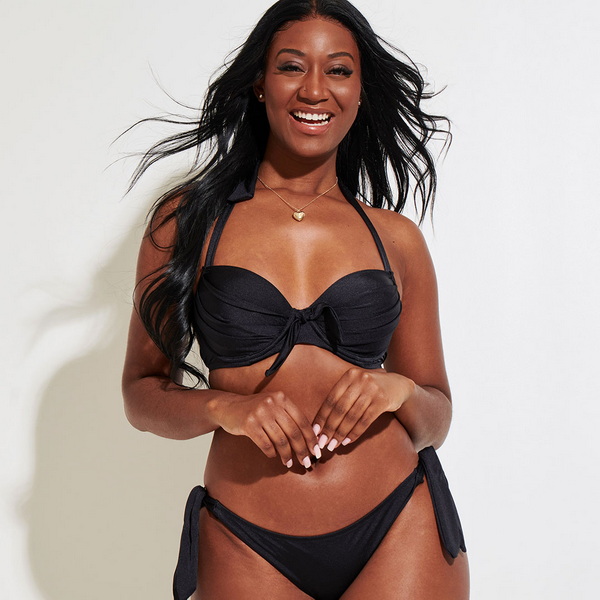
Every brand has its own sizing chart. Compare your measurements to the chart before purchasing to find the best match. Don't rely solely on your usual clothing size, as swimwear sizing can differ significantly.
If you have a larger bust, look for swimsuits with bra-style cup sizing, underwire, or padding for better support. Adjustable straps and closures increase customization for fit.
Buying bikini tops and bottoms separately allows you to choose different sizes for each, accommodating unique body proportions. This is especially helpful if your bust and hips differ significantly in size.
Swimwear fabric stretches over time. A suit that fits snugly at first will become more comfortable with wear. However, avoid suits that feel painfully tight or restrict movement.
If a swimsuit is slightly too big, simple alterations on side seams can improve fit without compromising comfort. Conversely, if it's too small, professional tailoring might be limited due to fabric stretch.
If possible, try on swimsuits before purchasing. Move around in the suit to check for comfort, support, and coverage. Sit, bend, and stretch to ensure the suit stays in place and feels comfortable.
Think about how you will use the swimwear. For lounging, a looser fit might be comfortable. For swimming or water sports, a snug, secure fit is essential.
Style | Fit Consideration | Sizing Advice |
Bikini | Mix and match sizes for top and bottom | Size up for more coverage or comfort |
One-piece | Requires torso length measurement | Size up if you have a longer torso |
Tankini | Offers more coverage, flexible sizing | Usually fits true to size |
Underwired | Provides bust support | Size up if between cup sizes |
High-waisted | Covers tummy, fits hips snugly | Size up for comfort if preferred |
Swim Dress | Flowy, forgiving fit | True to size or size up for looser fit |
Understanding the fabric composition of swimwear can help you decide whether to size up:
- Nylon-Spandex Blends: These are highly stretchy and form-fitting. Usually, you can stick to your true size.
- Polyester-Spandex Blends: Slightly less stretchy but more durable. You might consider sizing up if you prefer a looser fit.
- Lined Swimwear: Lining can reduce stretch, so sizing up might be necessary for comfort.
- Textured Fabrics: Ribbed or textured fabrics may feel tighter and less forgiving, so sizing up could be beneficial.
Proper care extends the life and fit of your swimwear:
- Rinse immediately after swimming to remove chlorine or salt.
- Hand wash with mild detergent.
- Avoid wringing or twisting the fabric.
- Dry flat in the shade to prevent fading and fabric damage.
- Avoid contact with rough surfaces to prevent snags.
Taking care of your swimwear helps maintain fabric elasticity and ensures the fit remains consistent over time.
Choosing whether to go up a size in swimwear depends on your personal comfort, body shape, and intended use. While a snug fit is generally recommended to ensure support and prevent slipping in water, sizing up can offer added comfort, especially for those with larger busts, longer torsos, or fluctuating body sizes. Always measure yourself carefully and consult brand-specific size charts. Remember, swimwear fabric stretches over time, so a suit that feels tight initially will likely become more comfortable with wear. If your swimsuit feels too loose or tight, minor alterations can help achieve the perfect fit. Ultimately, the right swimwear size will make you feel confident, comfortable, and ready to enjoy your time at the beach or pool.
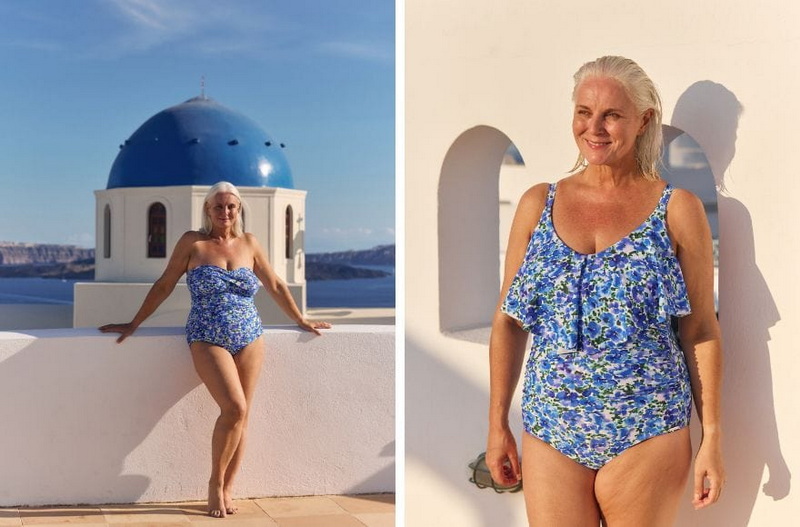
Swimwear should fit snugly but not painfully tight when dry because it will stretch in water. A tight fit helps keep the suit in place during swimming and activities.
Yes, many brands offer separates so you can mix sizes to fit your bust and hips perfectly, ensuring better comfort and fit.
Yes, sizing up in one-piece swimsuits can provide extra length and prevent the suit from digging into your shoulders or riding up.
If your bust size is above a C cup, consider cup-sized swimwear with underwire or padding for better support and comfort.
Sizing down can create a more slimming look, but be cautious not to compromise comfort or mobility, especially in swimwear with less stretch.


