
Views: 222 Author: Loretta Publish Time: 06-22-2025 Origin: Site


Content Menu
● What Is Tan Through Swimwear?
● How Does Tan Through Swimwear Work?
● Is Tan Through Swimwear See Through?
>> Fabric Transparency and Visual Appearance
● Benefits of Tan Through Swimwear
>> 1. Seamless, Streak-Free Tan
>> 2. Comfortable and Breathable
>> 3. UV Protection with Sun Exposure
>> 4. Stylish and Versatile Designs
>> 5. Enhanced Confidence and Freedom
● Drawbacks and Considerations
>> 1. Potential for Worse Tan Lines
>> 2. Need for Sunscreen Application
>> 3. Transparency in Certain Conditions
● Choosing the Right Tan Through Swimwear
● How to Maximize Your Tanning Experience with Tan Through Swimwear
● The Future of Tan Through Swimwear Technology
● FAQ
>> 1. Is tan through swimwear completely see-through?
>> 2. Does tan through swimwear protect against sunburn?
>> 3. Can I wear tan through swimwear in the pool?
>> 4. Will tan through swimwear prevent all tan lines?
>> 5. How should I care for tan through swimwear?
Tan through swimwear has become a popular trend among sunbathers who want to achieve an even, streak-free tan without the usual tan lines caused by traditional swimsuits. This innovative swimwear uses special fabric technology designed to allow sunlight to penetrate through the material, enabling the wearer to tan even in areas typically covered by swimwear. However, a common question arises: Is tan through swimwear see through? This article will explore the technology behind tan through swimwear, its benefits, potential drawbacks, and answer frequently asked questions to help you make an informed decision.

Tan through swimwear, also known as no-tan-line or tan-thru swimwear, is made from a unique fabric engineered to let ultraviolet (UV) rays pass through the material. Unlike conventional swimwear that blocks most UV rays and leaves distinct tan lines, tan through swimwear allows up to 80% of the sun's rays to reach the skin, promoting an even tan across the body.
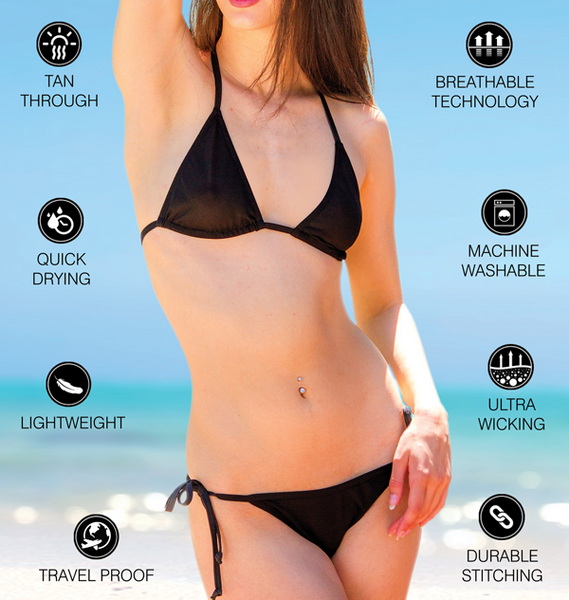
The fabric is typically a blend of synthetic fibers such as polyamide (nylon) and elastane (spandex or Lycra), woven with millions of microscopic pores or holes less than 0.5 mm in diameter. These tiny apertures enable sunlight to penetrate while maintaining coverage and comfort. The fabric is lightweight, breathable, quick-drying, and designed to conform to the body without restricting movement.
The key to tan through swimwear is its patented fabric technology. The material contains millions of micro-holes that allow UV rays to pass through, stimulating melanin production in the skin underneath. This results in a more uniform tan without the harsh lines typical of traditional swimwear.
Despite letting UV rays through, the fabric still provides some level of sun protection, roughly equivalent to wearing sunscreen with SPF 6 to 15, depending on the brand and fabric stretch. This means while you can tan evenly, you still need to be cautious about sun exposure and apply sunscreen for optimal skin protection.
A common concern is whether these swimsuits are see-through due to their mesh-like structure. The answer depends on the quality of the fabric and design:
- High-quality tan through swimwear is generally not see-through when worn. The fabric is engineered to remain opaque against the skin despite the micro-holes, and many designs use special prints and patterns to camouflage any transparency, giving the appearance of solid coverage.
- However, some tan through swimwear can appear somewhat sheer in direct sunlight or when stretched excessively. The tiny holes that allow UV rays to pass can also let light through, which might create a semi-transparent effect, especially if the wearer has a deep tan contrasting with untanned skin beneath the swimsuit.
- Thick trims or seams on some tan through bikinis can create visible tan lines, which may be more noticeable than with traditional swimwear, somewhat defeating the purpose of the design.
Thus, tan through swimwear is not completely see-through like sheer lingerie but can have a delicate balance between transparency and coverage depending on fabric density, pattern, and fit.
The primary advantage is achieving an even tan without the usual bikini or swimsuit lines. The fabric allows sunlight to reach the skin evenly, which is perfect for sun lovers who want a natural, all-over glow.
Tan through swimwear is made from lightweight, stretchy materials that dry quickly and feel soft against the skin, making them comfortable for long hours at the beach or pool.
While allowing tanning rays through, the fabric also filters out a significant portion of harmful UVB rays, offering some protection equivalent to SPF 8-15. This helps balance tanning with skin safety, although additional sunscreen application is recommended.
Manufacturers offer a variety of trendy patterns, colors, and cuts, including bikinis, one-pieces, and swim tops, catering to different body types and fashion preferences.
Many users report feeling more confident wearing tan through swimwear because it offers a flattering fit and the freedom to tan without worrying about uneven lines. This psychological benefit enhances the overall sunbathing experience.
Some tan through swimwear has thick seams or trims that block sunlight, causing more noticeable tan lines than traditional suits. Choosing designs with minimal or flat seams can help reduce this issue.
Since the fabric allows UV rays to pass, sunscreen is still necessary underneath the swimsuit to prevent sunburn and skin damage. Relying solely on the fabric for protection can lead to overexposure.
In direct sunlight or with certain body contrasts, the swimsuit may appear more transparent, which can be a concern for modesty. Trying on different styles and colors before purchase can help find the best option.
Tan through fabrics require gentle care to maintain their unique properties, including hand washing and avoiding prolonged exposure to harsh chemicals or direct sunlight when drying. Improper care can degrade the fabric's effectiveness and appearance.
Tan through swimwear is often priced higher than traditional swimwear due to its specialized fabric and manufacturing process. Budget-conscious buyers should weigh the benefits against the cost.

When selecting tan through swimwear, consider the following factors to ensure satisfaction and comfort:
- Fabric Quality: Look for reputable brands that use patented technology and high-quality materials to avoid excessive transparency.
- Fit and Cut: A snug fit without overstretching the fabric maintains opacity and comfort. Styles with minimal seams reduce unwanted tan lines.
- Color and Pattern: Darker colors and busy patterns tend to mask any slight transparency better than light or solid colors.
- Sun Protection: Even with tan through fabric, always apply broad-spectrum sunscreen to exposed skin and consider additional protection like hats or cover-ups.
- User Reviews: Reading customer feedback can provide insights into real-world performance and durability.
To get the best results from tan through swimwear, follow these practical tips:
- Apply Sunscreen: Use a high-SPF, broad-spectrum sunscreen on all exposed skin, including areas covered by the swimsuit, to avoid burns.
- Limit Sun Exposure: Avoid peak UV hours between 10 a.m. and 4 p.m. to reduce the risk of skin damage.
- Rotate Positions: Change your sunbathing position regularly to ensure even tanning on all sides of your body.
- Stay Hydrated: Drink plenty of water to keep your skin healthy and hydrated during sun exposure.
- Care for Your Swimwear: Rinse your swimsuit with fresh water after swimming, hand wash gently, and dry in the shade to preserve fabric integrity.
The swimwear industry continues to innovate, and tan through swimwear is no exception. Future developments may include:
- Improved UV Filtering: Fabrics that allow tanning rays but block harmful UVA and UVB rays more effectively.
- Enhanced Fabric Durability: Materials that maintain their tanning and opacity properties longer with less wear and tear.
- Eco-Friendly Materials: Sustainable fabrics that reduce environmental impact while offering tan through benefits.
- Smart Swimwear: Integration of UV sensors to monitor sun exposure and alert wearers when to seek shade or reapply sunscreen.
These advancements will make tan through swimwear even more appealing and safer for consumers.
Tan through swimwear offers an innovative solution for sunbathers seeking a flawless, even tan without the interruption of tan lines. Its specially engineered fabric allows UV rays to penetrate while maintaining coverage and comfort. While high-quality tan through swimwear is generally not see-through when worn, some transparency can occur depending on fabric density, fit, and lighting conditions. Additionally, the presence of thick trims in some designs may cause tan lines, and the wearer must still apply sunscreen for adequate skin protection.
For those who prioritize an even tan and stylish swimwear, tan through swimwear is a compelling option, provided they understand its limitations and take necessary sun safety precautions. As fabric technology advances, we can expect even better designs that balance tanning benefits, modesty, and UV protection.
No, good quality tan through swimwear is designed to be opaque when worn, using special fabric and patterns to mask transparency. However, in direct sunlight or when stretched, some slight sheerness may occur.
Tan through swimwear provides limited UV protection, roughly equivalent to SPF 6-15. It allows tanning rays through but filters some harmful UVB rays. Sunscreen is still necessary to prevent sunburn.
Yes, tan through swimwear is made from materials suitable for swimming and will hold up well in water. Rinse after swimming to maintain fabric quality.
Tan through swimwear reduces tan lines by letting UV rays pass through the fabric. However, thick seams or trims can still cause some lines, and perfect no-line tanning is challenging.
Hand wash gently with mild detergent, avoid bleach and harsh chemicals, dry in shade away from direct sunlight, and store in a cool, ventilated place to preserve fabric integrity.


