
Views: 222 Author: Loretta Publish Time: 06-22-2025 Origin: Site


Content Menu
● Understanding Waterproof vs. Water-Resistant Swimwear
● Common Fabrics Used in Swimwear and Their Water Properties
>> Nylon
>> Polyester
● How Water Interacts with Swimwear
● Innovations in Waterproof and Water-Repellent Swimwear
>> Nanotechnology Water-Repellent Fabrics
>> Eco-Friendly and Super-Absorbent Materials
● Manufacturing Techniques for Water-Resistant Swimwear
● Benefits of Water-Resistant Swimwear
● Choosing the Right Swimwear for Your Needs
● Caring for Water-Resistant Swimwear
● Frequently Asked Questions (FAQs)
>> 1. What is the difference between waterproof and water-resistant swimwear?
>> 2. Can I wear waterproof swimwear in a swimming pool?
>> 3. How do I care for water-resistant swimwear to maintain its properties?
>> 4. Are water-repellent swimsuits comfortable to wear?
>> 5. What are the latest technologies used in swimwear to enhance water resistance?
Swimwear is a staple for anyone enjoying water activities, from casual beachgoers to professional athletes. But a common question arises: Is swimwear waterproof? This article provides a comprehensive exploration of swimwear's water resistance properties, the materials and technologies behind them, and how innovations are shaping the future of swimwear. Whether you are a brand owner, wholesaler, or manufacturer looking to understand or improve your swimwear products, this detailed guide will equip you with valuable insights.

Before diving into swimwear specifics, it's essential to clarify the difference between waterproof and water-resistant:
- Waterproof means a material or garment completely prevents water from penetrating, even when submerged.
- Water-resistant means the fabric repels water to some extent but is not impervious to water penetration, especially under prolonged exposure or submersion.
Most swimwear falls into the water-resistant category rather than being fully waterproof. This distinction is crucial for manufacturers and consumers alike when setting expectations for swimwear performance in water.
The short answer is no, swimsuits are not waterproof. Most swimsuits are made from materials such as nylon, polyester, and spandex. These fabrics are designed to be quick-drying and water-resistant but do not completely block water from passing through the fibers or seams.
Water can seep through the fabric fibers and stitching, meaning the suit will absorb some water when submerged. However, the level of water resistance varies depending on the material quality and swimsuit design. Competitive swimsuits tend to be more water-resistant due to tighter fits and specialized fabrics that reduce water entry and drag.
Nylon is one of the most common materials used in swimwear. It is soft, lightweight, and stretchy, making it comfortable for extended wear. Nylon is naturally water-repellent to a degree and dries quickly, which is why it is favored for swimwear. However, nylon can absorb some water and is less resistant to chlorine compared to polyester, which may affect the longevity of the swimsuit.
Polyester is highly durable and chlorine-resistant, making it ideal for swimwear that will be frequently used in pools. It is naturally hydrophobic, meaning it repels water well, which helps reduce water absorption and drying time. Polyester also retains color better than nylon, ensuring that swimsuits maintain their vibrant appearance for longer periods.
Spandex is usually blended with nylon or polyester to provide stretch and shape retention. While spandex itself offers good water resistance when new, it can degrade over time with exposure to chlorine and saltwater. The blend of spandex with other fabrics ensures that swimsuits fit snugly and comfortably, which is important for both casual and competitive swimmers.
When a swimmer enters the water, the fabric of the swimsuit immediately comes into contact with water molecules. Due to the weave and fiber properties, water can penetrate the fabric to some extent. The amount of water absorbed depends on factors such as fabric density, fiber type, and any special treatments applied to the fabric.
Water absorption affects the weight and comfort of the swimsuit. A suit that absorbs a lot of water will feel heavier and may take longer to dry. This is why water-resistant fabrics and treatments are preferred—they minimize water absorption, keeping the suit lightweight and comfortable both in and out of the water.
One of the most exciting advancements in swimwear technology is the use of nanotechnology to create water-repellent fabrics. These fabrics are treated with microscopic coatings that cause water to bead up and roll off the surface rather than being absorbed. This technology significantly reduces drying time and keeps the fabric feeling dry and light.
Nanotech fabrics maintain breathability and comfort because the coating is applied at a microscopic level, allowing air to pass through while repelling water. This innovation is particularly popular in swimwear designed for active lifestyles, where quick drying and comfort are paramount.
Hydrophobic materials repel water at a molecular level, preventing water from sticking to the fabric. Swimwear made from hydrophobic fabrics keeps swimmers dry longer and reduces water drag, which can improve performance. These materials are also resistant to stains and odors, making them easier to maintain.
Elite swimmers benefit from high-tech suits that incorporate water-repellent coatings originally developed for aerospace applications. These suits reduce water absorption and drag, allowing swimmers to move more efficiently through the water. The coatings are applied to fabrics that are lightweight yet durable, providing both performance benefits and comfort.
Some innovative swimwear designs incorporate materials that not only repel water but also absorb pollutants from the water, helping to clean the environment while the wearer swims. These eco-friendly suits use advanced materials that trap contaminants without becoming saturated with water, showcasing a blend of sustainability and technology.

Creating swimwear that resists water involves more than just choosing the right fabric. Manufacturers employ several techniques to enhance water resistance:
- Tight Weaving: Fabrics are woven tightly to reduce the gaps between fibers, limiting water penetration.
- Water-Repellent Coatings: Applying durable water-repellent (DWR) coatings to fabrics helps repel water and reduce absorption.
- Seam Sealing: Instead of traditional stitching, some swimsuits use bonded or taped seams to prevent water from seeping through needle holes.
- Blended Fabrics: Combining polyester or nylon with elastane provides stretch while maintaining water resistance.
- Advanced Treatments: Nanotechnology and hydrophobic treatments are integrated during or after fabric production to enhance performance.
These manufacturing methods ensure that swimwear performs well in water while maintaining comfort and durability.
Water-resistant swimwear offers several advantages:
- Quick Drying: Reduces the time swimmers spend in wet clothing, enhancing comfort and preventing chafing.
- Reduced Drag: Competitive suits minimize water resistance, improving swimming speed.
- Durability: Resistant to chlorine and saltwater, extending the lifespan of the garment.
- Comfort: Lightweight and flexible fabrics conform to the body, allowing freedom of movement.
- Versatility: Suitable for various water activities and can be worn comfortably on land.
When selecting swimwear, consider the following:
- Purpose: Competitive swimmers need tight, water-resistant suits, while casual swimmers may prioritize comfort and quick drying.
- Material: Polyester blends offer durability and water resistance; nylon provides softness; spandex adds stretch.
- Water Resistance: For frequent water exposure, look for suits treated with water-repellent coatings or made from hydrophobic fabrics.
- Care: Proper maintenance preserves water resistance and fabric integrity.
- Fit: A snug fit reduces water entry and drag but should not restrict movement.
Proper care extends the life and performance of swimwear:
- Rinse thoroughly with fresh water after each use to remove chlorine, salt, and sunscreen.
- Avoid bleach and harsh detergents that can damage fabric and coatings.
- Air dry in the shade to prevent UV damage and fabric degradation.
- Store swimsuits flat or hung in a cool, dry place.
- Consider reapplying water-repellent treatments if the fabric begins to absorb more water than usual.
Swimwear is generally not fully waterproof but is designed to be water-resistant and quick-drying to enhance comfort and performance in water. The materials commonly used—nylon, polyester, and spandex—offer varying degrees of water resistance, with polyester blends providing the best durability and hydrophobic properties. Innovations such as nanotechnology coatings and hydrophobic fabrics have significantly improved swimwear's ability to repel water, reduce drying time, and enhance swimmer performance. Proper manufacturing techniques and maintenance are essential to maximize these benefits. As technology advances, swimwear continues to evolve, offering exciting opportunities for manufacturers and consumers alike.
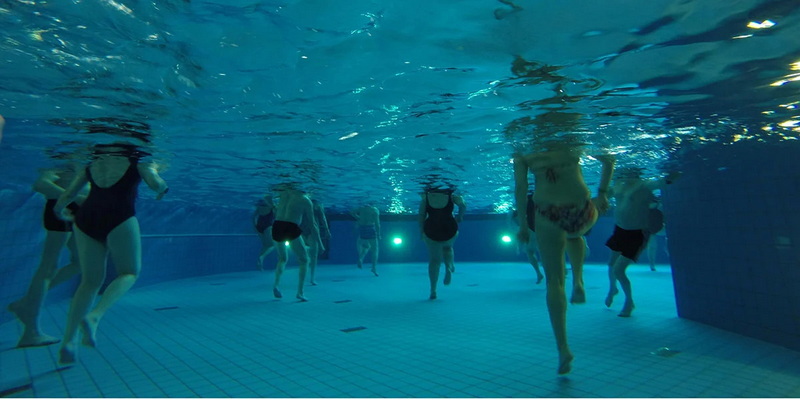
Waterproof swimwear completely blocks water penetration, while water-resistant swimwear repels water to some extent but allows some water to pass through under pressure or prolonged exposure.
Yes, waterproof or water-resistant swimwear is suitable for swimming pools. However, waterproof suits may be less flexible or breathable, so water-resistant suits are more common for pool use.
Rinse with fresh water after use, avoid harsh chemicals, air dry in shade, and store properly. Some water-repellent fabrics may benefit from occasional reapplication of protective sprays.
Modern water-repellent swimwear uses lightweight, stretchy fabrics that maintain comfort and fit while repelling water, so they are generally comfortable for all-day wear.
Nanotechnology coatings, hydrophobic materials, and satellite-inspired water-repellent finishes are among the latest innovations improving water resistance and performance in swimwear.


