
Views: 222 Author: Loretta Publish Time: 06-20-2025 Origin: Site


Content Menu
● Understanding Polyester Spandex
● Key Properties of Polyester Spandex Swimwear
● Advantages of Polyester Spandex for Swimwear
>> Superior Chlorine Resistance
● Drawbacks and Considerations
● Comparison: Polyester Spandex vs. Other Swimwear Fabrics
● Practical Applications: Who Should Choose Polyester Spandex Swimwear?
>> Athletes and Active Swimmers
● Additional Insights on Polyester Spandex Swimwear
>> Environmental Impact and Sustainability
>> Fashion Trends and Innovation
● FAQ: Polyester Spandex Swimwear
>> 1. What is the ideal polyester to spandex ratio for swimwear?
>> 2. Is polyester spandex swimwear suitable for saltwater and chlorinated pools?
>> 3. How does polyester spandex compare to nylon spandex for swimwear?
>> 4. Can polyester spandex swimwear cause skin irritation?
>> 5. How can I make my polyester spandex swimwear last longer?
Swimwear is more than just a fashion statement—it's a technical garment designed to withstand harsh environments, provide comfort, and enhance performance in water. Among the most popular materials for modern swimsuits is the polyester spandex blend. But is polyester spandex truly good for swimwear? This comprehensive guide explores the science, benefits, drawbacks, and practical considerations of polyester spandex in swimwear, helping you make an informed decision for your next beach or poolside adventure.
Polyester spandex is a blended fabric combining polyester, a durable synthetic fiber, and spandex, known for its exceptional elasticity. The result is a material that stretches, recovers its shape, and resists common swimwear challenges like fading and sagging.

- Polyester: Created from petroleum-based polymers, polyester is spun into fibers that are strong, lightweight, and resistant to shrinking and wrinkling.
- Spandex: Also called elastane or Lycra, spandex is a synthetic fiber famous for its ability to stretch up to five times its original length and snap back to its original shape.
By blending these fibers, manufacturers achieve a fabric that is both resilient and flexible—key qualities for swimwear.
Polyester spandex blends are renowned for their durability. Polyester's resistance to chlorine, UV rays, and saltwater ensures that swimwear retains its color and shape even after repeated use in harsh aquatic environments.
Spandex provides the necessary elasticity, allowing the swimsuit to move with the body, offer a snug fit, and recover its shape after stretching. This makes polyester spandex swimwear suitable for both casual swimming and athletic activities.
Polyester is naturally quick-drying, which means swimwear made from this blend dries faster than many natural fibers, reducing discomfort and the risk of chafing.
Thanks to the combination of polyester's strength and spandex's elasticity, these swimsuits maintain their shape over time, resisting sagging and bagging even after numerous wears and washes.
Polyester fibers hold dye exceptionally well, resulting in vibrant colors that are less likely to fade from sun or chlorine exposure.
Polyester is highly resistant to chlorine, making it ideal for frequent pool use. Unlike some other fibers, it doesn't degrade quickly, ensuring a longer lifespan for your swimwear.
Polyester naturally offers a higher level of UV protection compared to many other fabrics, helping to shield your skin from harmful sun rays during outdoor activities.
Polyester spandex swimwear is generally more affordable than high-end alternatives, making it accessible for a wide range of consumers.
The blend's flexibility allows for a variety of styles, cuts, and fits, catering to different body types and preferences. From competitive racing suits to fashionable bikinis, polyester spandex is a favorite among designers.
While polyester spandex is quick-drying, it's less breathable than some natural fibers. This can lead to a warmer feel, especially during prolonged wear in hot conditions.
Over time, polyester fibers can develop small fabric pills, especially if rubbed against rough surfaces like pool decks.
Although spandex provides excellent stretch, it can degrade faster than polyester when exposed to chlorine and saltwater. However, when blended with polyester, this effect is minimized, but not entirely eliminated.
Some swimmers prefer the softer feel of nylon blends, though polyester spandex has improved significantly in texture and comfort in recent years.
Feature | Polyester Spandex | Nylon Spandex | 100% Polyester | Cotton |
Chlorine Resistance | Excellent | Good | Excellent | Poor |
UV Protection | High | Moderate | High | Low |
Stretch & Recovery | Good | Excellent | Poor | Moderate |
Quick-Drying | Good | Excellent | Good | Poor |
Softness | Moderate | High | Moderate | High |
Durability | High | High | Very High | Low |
Color Retention | Excellent | Good | Excellent | Poor |
Price | Affordable | Moderate | Affordable | Low |
Competitive swimmers and athletes benefit from the stretch, fit, and durability of polyester spandex, which allows for unrestricted movement and long-lasting wear.
For those who swim occasionally or spend time lounging by the pool, polyester spandex offers a balance of comfort, style, and affordability.
If you swim regularly in chlorinated pools, polyester spandex is an excellent choice due to its resistance to chlorine and fading.
Designers love polyester spandex for its versatility, enabling a wide range of fashionable cuts and prints.

- Rinse swimwear in cold water immediately after use to remove chlorine or salt.
- Avoid wringing out the suit, which can damage the spandex fibers.
- Lay flat to dry in the shade; avoid direct sunlight to prolong color vibrancy.
- Do not bleach or use harsh detergents.
- Avoid sitting on rough surfaces to prevent pilling.
Recycled polyester spandex blends are increasingly available, offering a more sustainable choice without sacrificing performance. These fabrics are made from post-consumer plastic bottles and other recycled materials, reducing environmental impact.
As environmental awareness grows, many consumers seek swimwear that balances performance with sustainability. Polyester spandex blends traditionally rely on petroleum-based materials, which raises concerns about resource depletion and pollution. However, the industry is evolving. Recycled polyester spandex fabrics are gaining traction, made from repurposed plastics such as water bottles. These eco-friendly options reduce landfill waste and carbon footprint while maintaining the performance standards expected from swimwear fabrics.
Choosing recycled polyester spandex swimwear supports circular economy principles and encourages manufacturers to adopt greener practices. Additionally, many brands now emphasize ethical production and use of non-toxic dyes, further minimizing environmental harm.
Polyester spandex swimwear is at the forefront of swimwear fashion innovation. The fabric's adaptability allows designers to experiment with bold prints, vibrant colors, and unique textures. Advances in textile technology also enable water-repellent finishes, enhanced breathability, and even smart textiles that monitor body temperature or UV exposure.
Moreover, the blend supports diverse styles, from high-performance racing suits with compression features to stylish cut-outs and high-waisted designs favored in contemporary swim fashion. This versatility makes polyester spandex a go-to fabric for brands aiming to merge function with aesthetics.
Because polyester spandex offers excellent stretch and recovery, it is ideal for custom swimwear. Tailors and manufacturers can create pieces that contour precisely to individual body shapes, improving comfort and confidence. This is particularly important for plus-size swimwear, maternity suits, and adaptive swimwear for people with disabilities.
The fabric's resilience ensures that even with frequent stretching, the garment maintains its original shape and support, essential for swimwear's functional and flattering fit.
For professional swimmers, polyester spandex swimwear can incorporate performance-enhancing features such as:
- Compression zones to reduce muscle vibration and fatigue.
- Hydrodynamic coatings that reduce drag in the water.
- Seamless or bonded seams to minimize resistance and skin irritation.
- Chlorine-resistant finishes that extend garment life.
These technological improvements make polyester spandex swimwear not only comfortable but also competitive in aquatic sports.
Polyester spandex is an outstanding choice for swimwear, offering a winning combination of durability, stretch, quick-drying properties, and vibrant color retention. While it may not be as soft as some nylon blends or as breathable as natural fibers, its advantages far outweigh its drawbacks for most swimmers. Whether you're a competitive athlete, a casual swimmer, or a style enthusiast, polyester spandex swimwear provides the performance, comfort, and longevity you need for any aquatic adventure. Its growing sustainability options and adaptability to fashion trends make it a fabric that meets both modern demands and environmental considerations.
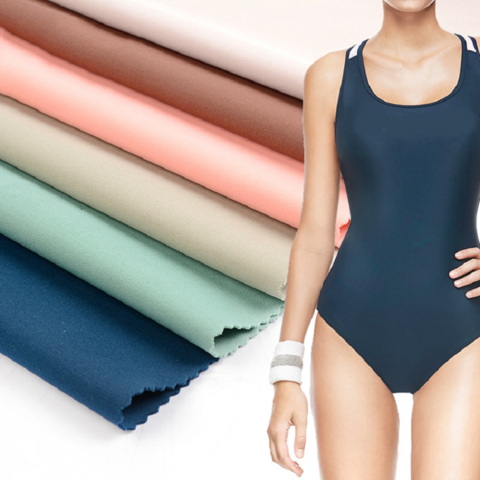
Most quality swimwear uses a blend of around 80-90% polyester and 10-20% spandex. This ratio provides the right balance of durability, stretch, and comfort for both casual and athletic use.
Yes, polyester spandex is highly resistant to both chlorine and saltwater. However, rinsing your swimwear after each use will help prolong its life and maintain its appearance.
Polyester spandex is more resistant to chlorine and UV rays, making it ideal for frequent pool use. Nylon spandex is typically softer and dries slightly faster, but may fade or degrade faster in chlorinated environments.
Polyester spandex is generally hypoallergenic and safe for most skin types. However, individuals with sensitive skin should look for suits with soft linings or test the fabric before prolonged use.
Rinse your swimsuit after each use, avoid wringing or twisting, dry it in the shade, and avoid contact with rough surfaces. Following these care tips will help maintain the fabric's elasticity and color.


