
Views: 222 Author: Loretta Publish Time: 06-08-2025 Origin: Site


Content Menu
● Step 1: Research and Define Your Target Audience
● Step 2: Develop Your Brand Identity
● Step 3: Design Your Swimwear Collection
● Step 4: Source Materials and Choose Manufacturers
● Step 5: Create Samples and Refine Designs
● Step 6: Plan Your Marketing and Launch Strategy
● Step 7: Launch Your Swimwear Brand
● FAQ
>> 1. How do I choose the right fabric for swimwear?
>> 2. What is the best way to find a swimwear manufacturer?
>> 3. How important is sustainability in swimwear branding?
>> 4. How can I market my swimwear brand effectively?
>> 5. What are common challenges when starting a swimwear brand?
Creating a swimwear brand is an exciting and rewarding venture that combines creativity, business acumen, and market insight. Whether you dream of launching a bold, colorful collection or a minimalist, sustainable line, this comprehensive guide will walk you through every step of the process—from initial concept to market launch and beyond. Along the way, we will include visual ideas and video concepts to inspire your journey.

Launching a swimwear brand blends fashion, function, and lifestyle. It requires understanding your market, crafting unique designs, selecting quality fabrics, and building a brand that resonates with customers. The global swimwear market is growing, offering ample opportunity for new brands to make a splash.
Before designing, understand who your customers are:
- Demographics: Age, gender, location, income level.
- Preferences: Style preferences (e.g., sporty, luxury, sustainable).
- Needs: Fit, fabric performance, ethical production.
- Market Trends: Analyze current swimwear trends and forecast future demands.
Your brand identity is the personality of your swimwear line. It includes:
- Brand Mission and Vision: What values and goals define your brand?
- Unique Selling Proposition (USP): What makes your swimwear different? (e.g., eco-friendly fabrics, innovative designs)
- Logo and Visual Style: Develop a logo, color palette, and typography that reflect your brand's essence.
- Brand Story: Craft a compelling narrative that connects emotionally with your audience.
Design is the heart of your brand. Consider:
- Style Range: Bikinis, one-pieces, cover-ups, or specialty swimwear.
- Fabric Selection: Choose fabrics that are durable, comfortable, and suitable for swimwear (e.g., nylon-spandex blends, recycled materials).
- Fit and Functionality: Focus on flattering cuts, support, and comfort.
- Prints and Colors: Decide on patterns, custom prints, or solid colors.
- Sustainability: Consider eco-friendly materials and ethical production processes.
Finding the right partners is crucial:
- Fabric Suppliers: Source high-quality, swimwear-appropriate fabrics.
- Manufacturers: Look for manufacturers experienced in swimwear production who can handle your order size and quality requirements.
- Samples and Prototyping: Work closely with manufacturers to produce initial samples.
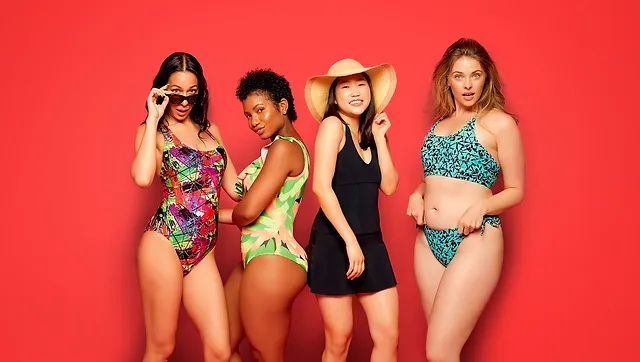
Samples allow you to test fit, fabric performance, and aesthetics:
- Fit Testing: Ensure the swimwear fits a range of body types comfortably.
- Fabric Testing: Check durability, colorfastness, and chlorine/saltwater resistance.
- Design Adjustments: Refine cuts, seams, and details based on feedback.
A strong launch plan drives sales and brand awareness:
- Branding Materials: Develop packaging, tags, and lookbooks.
- Website and E-commerce: Build a user-friendly online store with high-quality product photos and descriptions.
- Social Media: Use platforms like Instagram and TikTok to showcase your swimwear with engaging content.
- Influencer Partnerships: Collaborate with influencers to reach your target audience.
- Advertising: Invest in online ads targeting swimwear shoppers.
- Events: Consider pop-up shops or launch parties to create buzz.
To build hype, share behind-the-scenes clips and professional photos capturing movement, natural lighting, and effortless styling. Engage your audience with interactive social media content such as polls or questions like “Which bikini would you wear on vacation?” Send exclusive behind-the-scenes emails to your subscribers to create a real-time, intimate connection. On launch day, go live on platforms like Instagram or TikTok to do try-on sessions, answer questions, and show the pieces in detail. Creating urgency with countdown timers and limited-time bonuses, such as free accessories for early buyers, encourages immediate purchases. Post-launch, keep momentum by encouraging user-generated content and rewarding repeat customers.
- Inventory Management: Ensure you have stock ready for orders.
- Customer Service: Provide excellent support to build loyalty.
- Collect Feedback: Use customer reviews to improve future collections.
- Scale: Plan for new designs, seasonal releases, and expanding sales channels.
Launching your brand is just the beginning. Continue engaging with customers, gathering feedback, and refining your products and marketing strategies. Stay adaptable to trends and consumer preferences to maintain relevance and growth.
Creating a swimwear brand involves creativity, strategic planning, and dedication. By thoroughly researching your market, crafting a unique brand identity, designing high-quality swimwear, and executing a strong marketing plan, you can build a brand that stands out and thrives. Stay adaptable, listen to your customers, and keep innovating to make waves in the swimwear industry. The journey from concept to launch is challenging but immensely rewarding, offering the opportunity to express your vision and connect with a lifestyle-loving audience.

Choose fabrics that are stretchy, durable, and resistant to chlorine and saltwater, such as nylon-spandex blends. Sustainable options include recycled nylon or polyester. Always test fabric quality before production to ensure comfort and longevity.
Look for manufacturers specializing in swimwear with proven quality and ethical practices. Request samples and, if possible, visit factories to evaluate production standards. Networking through industry events or online platforms can help find reliable partners.
Sustainability is increasingly important to consumers. Using eco-friendly fabrics, ethical manufacturing, and transparent practices can differentiate your brand and appeal to conscious buyers, building long-term loyalty.
Utilize social media marketing, influencer collaborations, engaging content, and targeted ads. Hosting launch events and creating a strong brand story help build customer loyalty and create buzz around your collection.
Challenges include finding reliable manufacturers, managing production costs, ensuring perfect fit and quality, standing out in a competitive market, and effectively reaching your target audience.


