
Views: 222 Author: Loretta Publish Time: 05-28-2025 Origin: Site


Content Menu
● Why Consider Wearing Swimwear Under a Wetsuit?
● What Are the Best Options to Wear Under a Wetsuit?
>> Rash Guards
● How to Choose What to Wear Under Your Wetsuit
● Practical Tips for Enhancing Your Wetsuit Experience
>> Drying
>> Storage
>> Consider Thermal Underlayers
>> Buddy System
● FAQ
>> 1. Do I have to wear a swimsuit under my wetsuit?
>> 2. Does wearing a swimsuit under a wetsuit keep me warmer?
>> 3. What should women wear under a wetsuit?
>> 4. Can I wear regular underwear under my wetsuit?
>> 5. How do I prevent chafing when wearing a wetsuit?
Wetsuits are essential gear for many water activities, providing insulation, protection, and buoyancy. But a common question among beginners and even seasoned water enthusiasts is: Do you wear swimwear under a wetsuit? The answer is nuanced and depends on factors like comfort, hygiene, water temperature, and the type of activity. This comprehensive guide will explore the pros and cons of wearing swimwear under a wetsuit, suitable alternatives, and expert tips to optimize your wetsuit experience.

Wearing a swimsuit or swim shorts under your wetsuit is a common practice for many water sports enthusiasts. One of the main reasons is hygiene, especially when using rental wetsuits. Rental suits may have been worn by multiple people, so wearing a layer underneath protects your skin from direct contact with the neoprene. Think of it as a personal barrier against potential bacteria or residues left by previous users.
Additionally, swimwear can make putting on and taking off the wetsuit easier and more comfortable. Neoprene wetsuits can sometimes stick to bare skin, making removal tricky. A swimsuit acts as a smooth barrier, reducing friction and skin irritation. Imagine trying to peel off a tight rubber glove from a sweaty hand – a swimsuit makes the process much smoother.
When changing on the beach or in public places, having swimwear underneath provides modesty and convenience. It allows you to quickly remove the wetsuit without being fully exposed, which is particularly appreciated by women and those in mixed-gender environments. It's about preserving your privacy and comfort when you're not in a controlled changing room.
It is important to note that swimwear itself does not add warmth. The insulation comes from the neoprene material of the wetsuit trapping a thin layer of water warmed by your body. Wearing a swimsuit underneath neither improves nor reduces this warming effect significantly. The key is the close fit of the wetsuit and the body's ability to warm the thin layer of water trapped inside.
A classic and popular choice, especially in warm water conditions. Swimwear offers freedom of movement and minimal bulk, making it easy to wear under a wetsuit. Women often prefer bikinis or one-piece swimsuits for comfort and ease. Choose a swimsuit that fits well and doesn't have bulky embellishments that could cause discomfort under the wetsuit.
Rash guards are thin, stretchy tops made from quick-drying materials. They protect against sunburn, chafing, and irritation caused by the wetsuit rubbing against the skin. Rash guards are excellent for both warm and cold water, adding a layer of comfort without bulk. They are particularly useful for activities like surfing, where repeated paddling can cause friction around the chest and arms.
Dive skins are full-body suits made of Lycra or similar materials. They provide a smooth surface for the wetsuit to slide over, protect against jellyfish stings, and add a small amount of insulation. They are especially useful in colder waters or for prolonged exposure. Divers often use dive skins to protect against marine life and to simplify the process of donning a wetsuit.
For colder water or longer sessions, neoprene shorts or tops worn under the wetsuit add an extra layer of insulation. These are thin neoprene garments designed to fit snugly and keep warmth close to the body. Avoid zippers on these layers to prevent discomfort and marks under the wetsuit. These layers are especially beneficial for activities like open water swimming or triathlon training.
Some people prefer wearing no clothing under their wetsuit for maximum skin-to-suit contact, which can improve the seal and reduce water flushing inside. This is a personal preference and depends on comfort. However, it can be less comfortable when putting on or taking off the wetsuit. This method requires careful maintenance of the wetsuit to prevent odor and bacterial growth.
- Warm Water: Swimwear or rash guards are usually sufficient. In tropical or subtropical waters, a simple swimsuit or a light rash guard provides enough comfort and protection.
- Cold Water: Layering with dive skins, neoprene shorts, or thermal base layers is recommended for added warmth. In colder climates, consider investing in thermal underlayers specifically designed for water sports.
- Recreational Surfing or Swimming: Swimwear or rash guards are common. These activities typically involve shorter periods in the water, so light layers are sufficient.
- Diving or Freediving: Layers like dive skins or neoprene vests help with insulation and protection. Divers and freedivers spend extended periods underwater, so thermal protection is crucial.
- Rental Wetsuits: Swimwear or rash guards are essential for hygiene. Always prioritize hygiene when using shared equipment to avoid skin infections or irritations.
Choose undergarments that fit snugly without restricting movement. Avoid bulky or loose clothing that can bunch up and cause discomfort or chafing under the wetsuit. Ill-fitting undergarments can create pressure points and reduce mobility, which can be distracting and uncomfortable.

Applying a thin layer of petroleum jelly or a specialized anti-chafe balm to areas prone to rubbing, such as the neck, armpits, and groin, can significantly reduce friction and prevent skin irritation.
After each use, rinse both your swimwear and wetsuit thoroughly with fresh water to remove salt, chlorine, and other contaminants. Periodically wash your wetsuit with a wetsuit shampoo to maintain its condition and prevent odor buildup.
Hang your wetsuit inside out in a well-ventilated area away from direct sunlight to dry. Direct sunlight can damage the neoprene and reduce its flexibility.
Store your wetsuit on a wide hanger or lying flat to prevent creases and compression. Avoid folding it tightly, as this can damage the neoprene over time.
Periodically inspect your wetsuit for tears, cracks, or other signs of damage. Address any issues promptly to maintain the wetsuit's performance and longevity.
Ensure that both your wetsuit and undergarments fit properly. A wetsuit that is too tight can restrict movement and cause discomfort, while one that is too loose won't provide adequate insulation.
In very cold conditions, consider wearing a thermal base layer made from materials like merino wool or synthetic fleece under your wetsuit. These layers provide excellent insulation without adding bulk.
Stay hydrated and eat a balanced meal before engaging in water activities. Proper hydration and nutrition can help regulate your body temperature and improve your overall performance.
If you are new to cold water activities, gradually acclimatize your body to the temperature by starting with shorter sessions and gradually increasing the duration. This will help prevent cold shock and hypothermia.
Always engage in water activities with a buddy. Having someone with you can provide assistance in case of emergencies and enhance your overall safety.
Wearing swimwear under a wetsuit is a personal choice influenced by comfort, hygiene, and the specific water activity. While swimwear does not add warmth, it offers convenience, modesty, and protection from chafing. Alternatives like rash guards, dive skins, and neoprene shorts provide additional benefits, especially in colder conditions. Ultimately, selecting the right underlayer enhances your wetsuit experience, ensuring comfort and performance in the water. By considering factors such as water temperature, activity type, and personal preference, you can optimize your wetsuit setup for maximum enjoyment and safety.
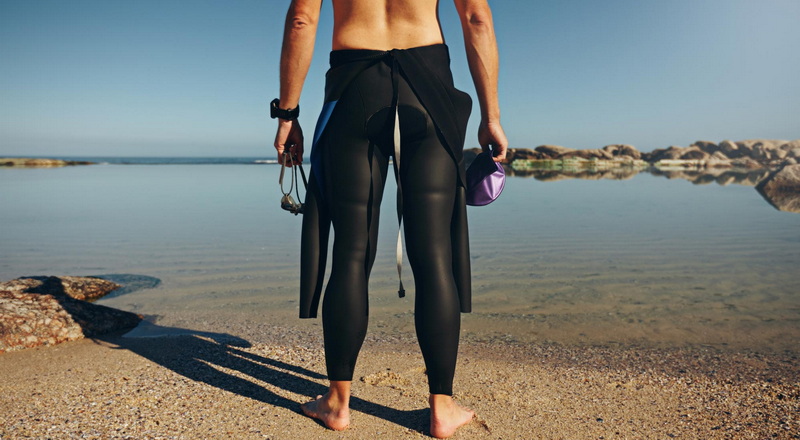
No, it is not mandatory. Some people prefer to wear nothing under the wetsuit for better skin contact, while others wear swimwear for comfort and hygiene.
No, swimwear itself does not provide insulation. The wetsuit's neoprene traps heat, and swimwear does not affect this significantly.
Women often wear bikinis or one-piece swimsuits under wetsuits for comfort, modesty, and ease of changing. Rash guards and dive skins are also popular options.
It is not recommended due to hygiene and comfort reasons. Swimwear or specialized base layers are better suited for wearing under wetsuits.
Wearing a rash guard, dive skin, or swimwear under the wetsuit can reduce friction and prevent chafing. Proper fit and lubrication with anti-chafe products also help.


