
Views: 222 Author: Loretta Publish Time: 05-27-2025 Origin: Site


Content Menu
● Understanding Period Swimwear
>> How Does Period Swimwear Work?
● Can You Wear A Pad with Period Swimwear?
>> Why Pads Are Problematic in Water
● Alternatives to Wearing Pads with Period Swimwear
>> Using Period Swimwear Alone
>> Combining Products for Heavy Flow
● How to Choose the Right Period Swimwear
● Practical Tips for Swimming on Your Period
● Managing Comfort and Confidence
● FAQ
>> 1. Can I swim with a pad on my period?
>> 2. Do I need to wear a tampon with period swimwear?
>> 3. How does period swimwear work?
>> 4. Can I do serious swimming with period swimwear on?
>> 5. How do I care for period swimwear?
Swimming during your period can raise many questions, especially about what kind of protection to use. One common query is whether you can wear a pad with period swimwear. This comprehensive guide explores the topic in depth, covering how period swimwear works, whether pads are suitable, alternative options, and practical tips for swimming confidently on your period.
Period swimwear is a relatively new innovation designed to help people swim comfortably during their menstrual cycle without relying solely on traditional products like tampons or pads.

Period swimwear looks like regular swimsuits but includes a built-in absorbent layer similar to period underwear. This layer can absorb menstrual fluid, prevent leaks, and keep you feeling dry and secure while in and out of the water. The swimwear typically features:
- A moisture-wicking top layer that sits against the skin
- An absorbent core that traps menstrual blood
- A waterproof or water-resistant bottom layer to prevent leaks and swelling
This design allows users to swim without additional internal protection on light to moderate flow days.
The key to period swimwear is its multi-layer construction. The inner layer is made from moisture-wicking fabric that pulls fluid away from the skin to keep you feeling dry. The middle layer acts as an absorbent core, capturing menstrual blood and locking it in place. The outer layer is waterproof or water-resistant, preventing leaks and swelling while you are in the water. This combination allows the swimwear to function both in and out of the pool, providing discreet protection without the bulk of traditional pads.
Wearing a traditional pad inside a swimsuit, especially in the water, is generally not recommended. Pads are designed to absorb menstrual flow from the body, not water, and they tend to absorb pool or ocean water, becoming heavy, soggy, and ineffective. This can cause discomfort, leaks, and hygiene concerns.
- Water Absorption: Pads soak up water from pools or oceans, which dilutes their absorbency for menstrual blood and makes them bulky.
- Adhesive Issues: The sticky part of pads often loses adhesion when wet, increasing the risk of the pad shifting or falling out.
- Hygiene Concerns: Wearing a pad in water can lead to blood leaking into the water or onto swimwear when you exit, which is unsanitary.
- Comfort: Wet pads feel heavy and uncomfortable, sometimes described as a "wet diaper" sensation.
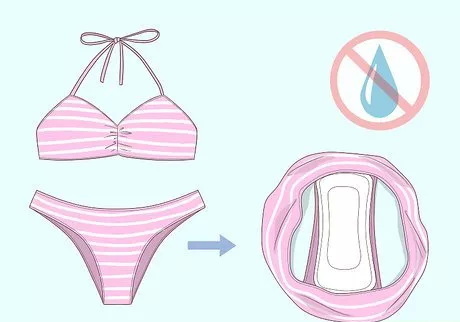
Some people do wear pads with specially designed period swimwear that helps hold the pad in place and prevent leaks. For example, certain brands offer period-proof swim bottoms that have extra features to secure pads and provide leak protection outside the water. In these cases, pads can be worn when not actively swimming or during light water activities, but frequent changing is necessary.
Tips for wearing pads with period swimwear:
- Choose thin, wingless pads to avoid bulk and visibility.
- Wear tight swim shorts or period swim bottoms designed to hold pads securely.
- Change the pad immediately after swimming to maintain hygiene and comfort.
- Avoid swimming for long periods with a pad alone.
If you decide to wear a pad with period swimwear, be mindful of the type of water you swim in. Chlorinated pools can cause irritation if the pad becomes saturated and stays wet for too long. Saltwater may also affect the pad's adhesive and comfort. Moreover, pads are not designed to handle the physical activity and movement associated with swimming, which can increase the risk of shifting and leaks.
Tampons and menstrual cups are the most recommended options for swimming during periods because they are worn internally and prevent leakage into the water. These products do not absorb water and provide reliable protection while swimming.
- Tampons are easy to use and widely available.
- Menstrual cups are reusable and eco-friendly.
- Both prevent menstrual blood from entering the water, maintaining hygiene.
Period swimwear is designed to absorb a certain amount of menstrual flow on its own, typically equivalent to 1-3 tampons worth of blood. On light to moderate days, you can wear period swimwear without any additional protection. For heavier flow days, pairing it with a tampon or cup is advisable to prevent leaks.
For those with heavier menstrual flow, combining period swimwear with internal protection like a tampon or menstrual cup offers the best security. This combination reduces the risk of leaks and allows you to swim comfortably for longer periods. It also minimizes the need for frequent changes, which can be inconvenient during swimming outings or vacations.
- Light to moderate flow: Period swimwear alone may suffice.
- Heavy flow: Use period swimwear with a tampon or menstrual cup for extra protection.
- Swimwear should fit snugly without loose areas to prevent leaks.
- Check size guides carefully and opt for a tighter fit if between sizes.
- Look for styles that suit your body type and comfort preferences.
- One-piece swimsuits with built-in absorbency
- Bikini bottoms with absorbent gussets
- Teen-specific lines designed for younger users
Choose period swimwear made from high-quality, quick-drying fabrics that maintain their absorbency after multiple washes. Some brands incorporate antimicrobial treatments to reduce odor and bacteria buildup, which is especially important for swimwear worn during menstruation.
- Avoid white or light-colored swimwear to prevent visible stains.
- Change protection frequently, especially after swimming sessions.
- Wear swim shorts or tight-fitting cover-ups over pads if you choose to wear them.
- Rinse and wash period swimwear promptly after use, following care instructions to maintain absorbency and hygiene.
- Practice using tampons or menstrual cups before swimming to build confidence.
- Bring spare swimwear or protection if you plan to swim all day.
- Stay hydrated and listen to your body, as swimming during menstruation can sometimes cause cramps or fatigue.
- Consider timing your swim during lighter flow days if possible for maximum comfort and confidence.
Swimming on your period can feel daunting, but with the right preparation, it can be a liberating experience. Wearing period swimwear designed for your flow, combined with internal protection if needed, allows you to enjoy water activities without fear of leaks or discomfort. Confidence comes from knowing your protection is reliable and from practicing how to use it effectively.
Can you wear a pad with period swimwear? While it is physically possible, it is generally not the best option for swimming. Pads absorb water, lose adhesion, and can cause leaks and discomfort. Period swimwear is designed to be worn alone on light to moderate days or paired with tampons or menstrual cups for heavier flow. Tampons and cups remain the safest and most effective protection for swimming during your period.
Period swimwear offers a liberating alternative that allows you to enjoy swimming without fear or discomfort. Choosing the right product and protection method depends on your flow, comfort, and personal preference. With the right knowledge and preparation, swimming on your period can be a worry-free and empowering experience.

You can, but it is not ideal. Pads absorb water, become heavy, and may lose adhesion. If you do wear a pad, use thin, wingless ones, wear tight swim shorts or period swim bottoms, and change pads frequently.
Not always. Period swimwear can absorb light to moderate flow on its own. For heavier flow days, pairing it with a tampon or menstrual cup is recommended for extra protection.
It has an internal absorbent layer that traps menstrual blood and a waterproof layer that prevents leaks and swelling. It works similarly to period underwear but is designed for use in water.
Yes, period swimwear is designed to stay in place and absorb menstrual flow during swimming. However, for heavy flow days or long swims, additional protection like tampons or cups may be needed.
Machine wash cold with like colors, avoid fabric softeners, and tumble dry on low or air dry. Proper care maintains absorbency and prevents odors.


