
Views: 222 Author: Loretta Publish Time: 05-27-2025 Origin: Site


Content Menu
● Understanding Swimwear Fabrics and Their Stretch Properties
>> Why Do Swimwear Fabrics Stretch?
● Do Swimwear Materials Stretch Over Time?
>> Visual Explanation: How Nylon and Spandex Stretch Over Time
● How to Care for Swimwear to Maintain Stretch and Shape
● Can You Stretch Swimwear Intentionally?
● Common Swimwear Fabric Types and Their Stretch Characteristics
● Additional Factors Affecting Swimwear Stretch
● Tips for Choosing Swimwear That Maintains Its Shape
● How to Extend the Life of Your Swimwear
● FAQ
>> 1. How long does swimwear typically maintain its stretch?
>> 2. Does chlorine cause swimwear to stretch out faster?
>> 3. Can I restore stretch to a stretched-out swimsuit?
>> 4. Are polyester swimwear fabrics better at resisting stretch than nylon?
>> 5. How should I wash my swimwear to prevent stretching?
Swimwear is an essential part of any summer wardrobe or athletic gear, designed to fit snugly and move comfortably with your body. But one common question many people ask is: do swimwear materials stretch over time? Understanding how swimwear fabrics behave with wear, exposure to elements, and care can help you maintain your swimsuits longer and choose the right pieces for your needs.
This article will explore the nature of swimwear fabrics, factors that cause stretching, how to care for your swimwear, and tips to prolong its elasticity and shape. Alongside, you will find explanations supported by visuals and videos to deepen your understanding.

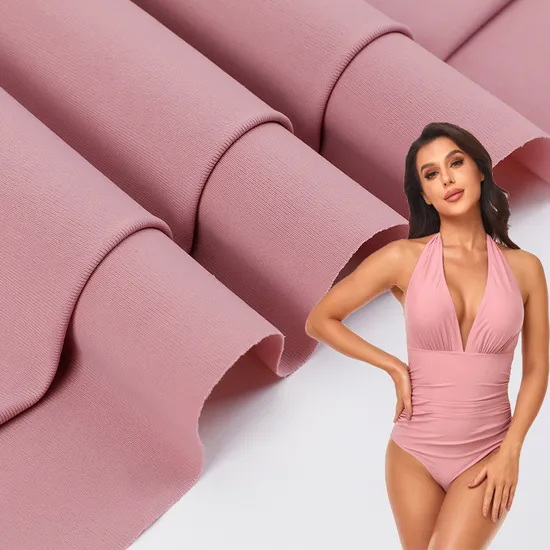
Swimwear fabrics are typically made from synthetic fibers blended with elastic materials to provide the necessary stretch and recovery. The most common materials used in swimwear include:
- Nylon/Spandex (Lycra) blends
- Polyester/Spandex blends
- Polyester PBT (for chlorine resistance)
The key to swimwear's stretchiness lies in the spandex (also called elastane or Lycra) content. Spandex fibers can stretch up to five times their original length and then return to their original shape, providing the snug, body-hugging fit swimwear is known for.
- Nylon and polyester provide durability, quick drying, and color retention.
- Spandex provides elasticity and stretch memory, allowing the fabric to expand and contract with body movements.
Swimwear fabrics are often knitted rather than woven, which naturally allows more stretch due to the looped structure of knit fabrics.
Many swimwear fabrics have four-way stretch, meaning they stretch both horizontally and vertically, which is essential for comfort and fit. This is achieved by adding spandex to the yarn before knitting, giving the fabric excellent stretch and recovery properties.
The short answer is yes, swimwear materials can stretch over time, but the extent depends on the fabric composition, exposure to elements, and care.
- Elastic Fiber Degradation: The spandex fibers in swimwear degrade gradually with use, especially when exposed to chlorine, saltwater, sunlight, and heat.
- Chlorine Exposure: Chlorine is a strong oxidizing agent that breaks down elastic fibers, causing loss of elasticity and stretching.
- Sunlight and UV Exposure: Ultraviolet rays damage the fabric's molecular structure, leading to fading and weakening of elastic fibers.
- Frequent Use and Friction: Constant movement, stretching, and rubbing against surfaces can wear out the fabric, especially in high-tension areas like straps and crotch.
- Washing and Drying: High temperatures during washing or drying can damage spandex fibers, accelerating stretching and sagging.
A detailed video explains how nylon and spandex fabrics work, showing their elasticity and how they respond to repeated use and washing. It highlights that while these fabrics are durable, improper care (like hot water washing or drying) can reduce their stretch and recovery over time.
Proper care is crucial to prevent premature stretching and degradation of your swimwear. Here are the best practices:
- Rinse Immediately After Use: Rinse your swimsuit in cool, fresh water right after swimming to remove chlorine, salt, and sunscreen residues.
- Hand Wash Only: Use cool water and gentle, swimwear-specific detergent. Avoid harsh chemicals and bleach.
- Avoid Hot Water and Heat: Hot water and heat from dryers damage elastic fibers. Always air dry your swimwear flat, away from direct sunlight.
- Rotate Your Swimwear: Give your swimsuits time to recover between uses to maintain elasticity.
- Avoid Rough Surfaces: Sitting or rubbing against rough pool edges or decks can snag and stretch the fabric.
Sometimes, a swimsuit may feel too tight, and you might want to stretch it slightly for comfort.
- Nylon/Spandex blends: Soak in warm water and gently stretch by hand. Avoid excessive heat as it can damage fibers.
- Polyester blends: These are less stretchy but can be eased with warm water soaking and gentle manual stretching.
- Use fabric stretching sprays cautiously to relax fibers if needed.
While intentional stretching can help slightly, it's important to remember that spandex fibers have limits, and overstretching can damage the fabric permanently.
Fabric Type | Stretch Ability | Durability | Chlorine Resistance | Care Tips |
Nylon/Spandex | High (4-way stretch) | Moderate (less chlorine-resistant) | Moderate (degrades with chlorine) | Rinse after use, hand wash cold, air dry |
Polyester/Spandex | High (4-way stretch) | High (better chlorine resistance) | High (good for pools) | Same as Nylon, better longevity |
Polyester PBT | Moderate to high | Very high | Excellent | Best for competitive swimwear |
Body oils, sunscreens, and lotions can accumulate on swimwear fabric, causing the fibers to weaken and lose elasticity over time. These substances can coat the fibers, reducing their ability to rebound after stretching.
Saltwater is generally less damaging to swimwear than chlorine. However, salt crystals can cause abrasion and drying of the fabric, leading to stiffness and eventual stretching if not rinsed properly. Chlorine, on the other hand, chemically breaks down the elastic fibers, causing more rapid degradation.
The more often you wear your swimwear, the faster it will stretch and lose its shape. Frequent exposure to water, movement, and environmental factors accelerates wear and tear.
Swimsuits made with heavier, denser fabric tend to hold their shape longer, while lighter, thinner fabrics may stretch more quickly. Additionally, a swimsuit that fits too tightly initially may stretch out faster as the fibers are under constant strain.
- Look for High-Quality Spandex Content: Higher percentages of spandex generally mean better stretch and recovery.
- Choose Polyester Blends for Chlorine Resistance: If you swim regularly in pools, polyester/spandex blends will maintain their shape longer.
- Opt for Swimsuits with Lining: A lining adds structure and support, helping the swimsuit maintain its shape.
- Check for Reinforced Seams: Strong, reinforced seams reduce fabric stress and prevent stretching in key areas.
- Try Before You Buy: A properly fitting swimsuit should feel snug but not overly tight. Avoid buying suits that feel too small hoping they will stretch.
- Avoid Hot Tubs: The combination of heat and chemicals in hot tubs can accelerate fabric breakdown.
- Use Swim Caps and Goggles: Protect your hair and face from chlorine to reduce the amount transferred to your swimsuit.
- Store Properly: Keep your swimwear flat or folded gently. Avoid hanging by straps which can cause stretching.
- Limit Sun Exposure When Not Swimming: Prolonged sun exposure when not in water can degrade fabric fibers.
Swimwear materials do stretch over time, primarily due to the gradual breakdown of elastic fibers like spandex caused by chlorine, sunlight, heat, and wear. However, the extent of stretching depends on the fabric type, exposure, and how well you care for your swimwear. Nylon/spandex and polyester/spandex blends offer excellent stretch and comfort, but polyester blends generally hold up better against chlorine and maintain shape longer.
To keep your swimwear looking and fitting great for as long as possible, rinse after swimming, hand wash in cold water, avoid heat, and rotate your swimsuits. Understanding these factors ensures you get the most out of your swimwear investment and enjoy a comfortable, flattering fit season after season.
Swimwear can maintain good stretch for about six months to two years depending on frequency of use, exposure to chlorine, and care. Proper maintenance can extend this lifespan significantly.
Yes, chlorine breaks down elastic fibers in swimwear, causing loss of elasticity and stretch over time. Rinsing swimwear immediately after pool use helps reduce damage and prolong fabric life.
You can try soaking the swimsuit in warm water and gently stretching it back, but once elastic fibers are damaged, full recovery is unlikely. Prevention through proper care is the best approach.
Polyester blends generally resist chlorine and stretching better than nylon blends, making them more durable for frequent swimmers and those exposed to pool chemicals regularly.
Hand wash in cool water with gentle detergent, avoid wringing or twisting the fabric, and air dry flat away from direct sunlight and heat sources to preserve elasticity.


